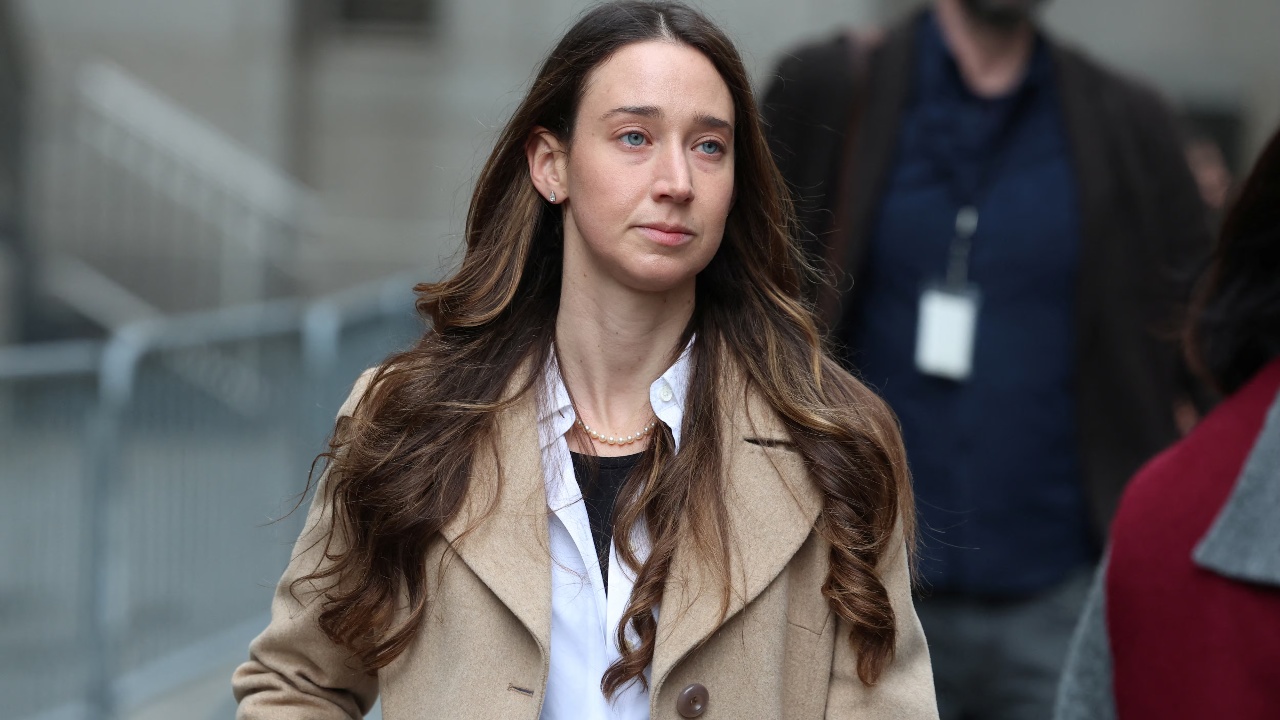
In the world of fintech, few stories have been as dramatic as that of Charlie Javice. Just a few years ago, she was hailed as a visionary entrepreneur, a Wharton graduate who founded Frank, a company designed to simplify the financial aid process for students. Her success seemed confirmed when she sold her startup to banking giant JPMorgan Chase for a staggering $175 million, a deal that should have set her up for life.
Today, the conversation about Javice is starkly different. In 2025, her net worth is a subject of intense speculation, deeply entangled with the legal consequences of her actions. After a high-profile trial, she was convicted of fraud and sentenced to more than seven years in prison for deliberately inflating her company’s value.
The figure of $175 million from the acquisition is a starting point for understanding Javice’s finances, but it’s not what she personally gained. Reports indicate that from the total sale price, approximately $28 million was slated to go directly to Javice. However, this massive payout was quickly frozen by federal prosecutors after JPMorgan Chase sued her for fraud, blocking her from accessing the funds.
Her financial situation was further complicated when she moved a significant portion of her money to Signature Bank, which subsequently collapsed in the wake of the Silicon Valley Bank failure. Despite attempts to redirect these funds, the accounts were seized. As a result, while some estimates once placed her net worth in the tens of millions, its current state is uncertain and likely a fraction of what it was, with the court also ordering her to pay $287.5 million in restitution.
You Might Like: Nicole Kidman and Keith Urban Kids
From Fintech Phenom to Federal Convict
Charlie Javice’s journey began with immense promise. A graduate of the University of Pennsylvania’s prestigious Wharton School, she founded Frank in 2016. The company presented itself as a simple, tech-driven solution to help students navigate the complex Free Application for Federal Student Aid (FAFSA). Javice became the charismatic face of the company, earning spots on Forbes’ “30 Under 30” list and making regular appearances on cable news to promote her platform. This public persona built her a reputation as a leading fintech wunderkind, attracting investments from notable venture capitalists and even securing a one-on-one meeting with JPMorgan Chase CEO Jamie Dimon.
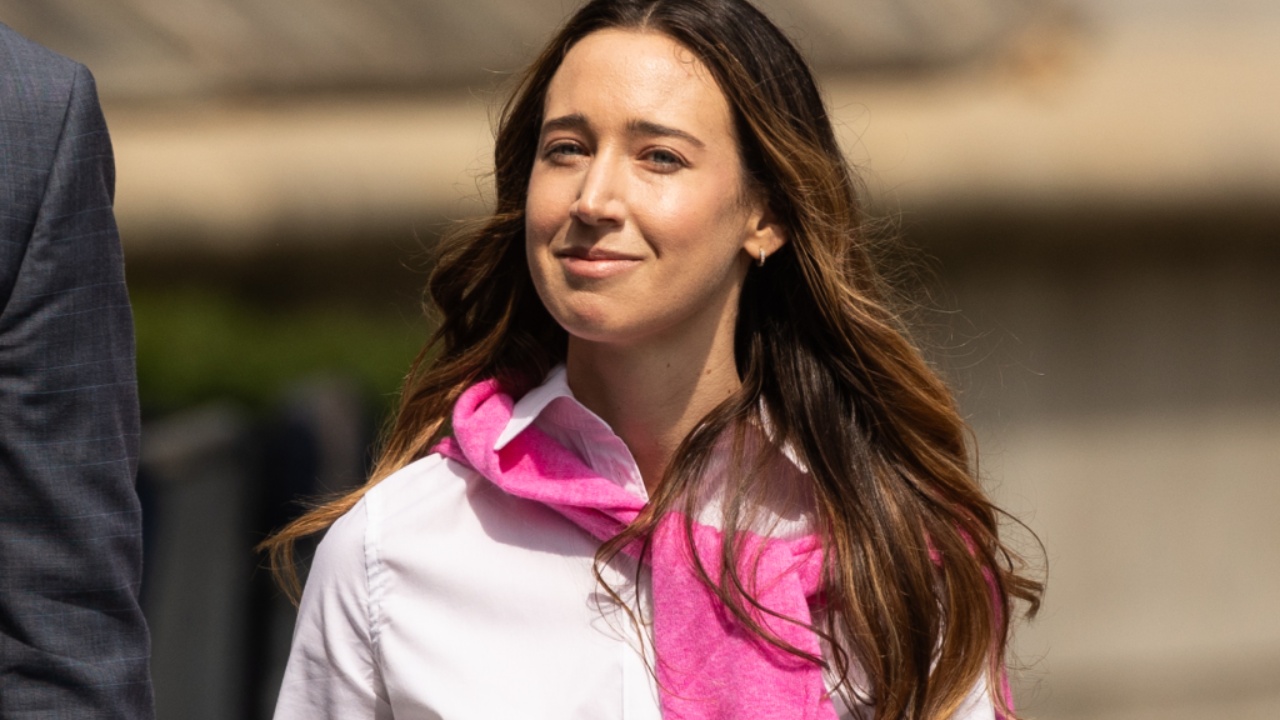
The foundation of this success, however, was built on a lie. During negotiations for the acquisition, Javice repeatedly told JPMorgan Chase that Frank had a database of over 4.25 million customer users, a highly valuable asset of young, college-bound clients. In reality, Frank had data for fewer than 300,000 users. To deceive the bank, prosecutors revealed that Javice paid a data science professor $18,000 to use a computer program to create millions of fake customer names and details.
When JPMorgan hired a vendor to verify the data, this synthetic list was sent over and accepted without deeper checks, allowing the fraud to succeed—for a time. The bank discovered the truth about a year after the acquisition closed, leading to Javice’s suspension, termination, and eventual arrest in 2023.
A Sentence and an Uncertain Future
The legal proceedings against Charlie Javice culminated in a five-week trial that ended on March 28, 2025, with a jury finding her guilty on all counts, including conspiracy, bank fraud, and wire fraud. On September 29, 2025, U.S. District Judge Alvin K. Hellerstein sentenced her to 85 months, or just over seven years, in federal prison. During the sentencing, Judge Hellerstein notably chided JPMorgan Chase for its “very poor due diligence,” even calling its actions “stupidity” for being tricked by a 28-year-old founder despite having 300 bankers vet the deal. Nevertheless, he emphasized that “fraud remains a fraud,” and her conduct demanded punishment.
JUST IN: Charlie Javice has been sentenced to 7 years in prison for defrauding JPMorgan Chase
The bank had acquired her financial aid startup, Frank, in 2021 for $175 million pic.twitter.com/t5qVRTGFvJ
— Morning Brew ☕️ (@MorningBrew) September 29, 2025
Addressing the court before her sentencing, a remorseful Javice stated she was “haunted that my failure has transformed something meaningful into something infamous” and that she had “made a choice that I will spend my entire life regretting.” The judge allowed her to remain free on bail while she pursues an appeal, noting in part her years-long struggle with infertility and her desire to start a family.
Also See: Jared Kushner’s 2025 Net Worth
For now, the once-celebrated entrepreneur works as a Pilates instructor in South Florida, a stark contrast to her former life as a fintech executive. Her story serves as a cautionary tale of how quickly a narrative of groundbreaking success can unravel when it’s built on a fraudulent foundation, leaving her personal wealth and professional legacy in ruins.