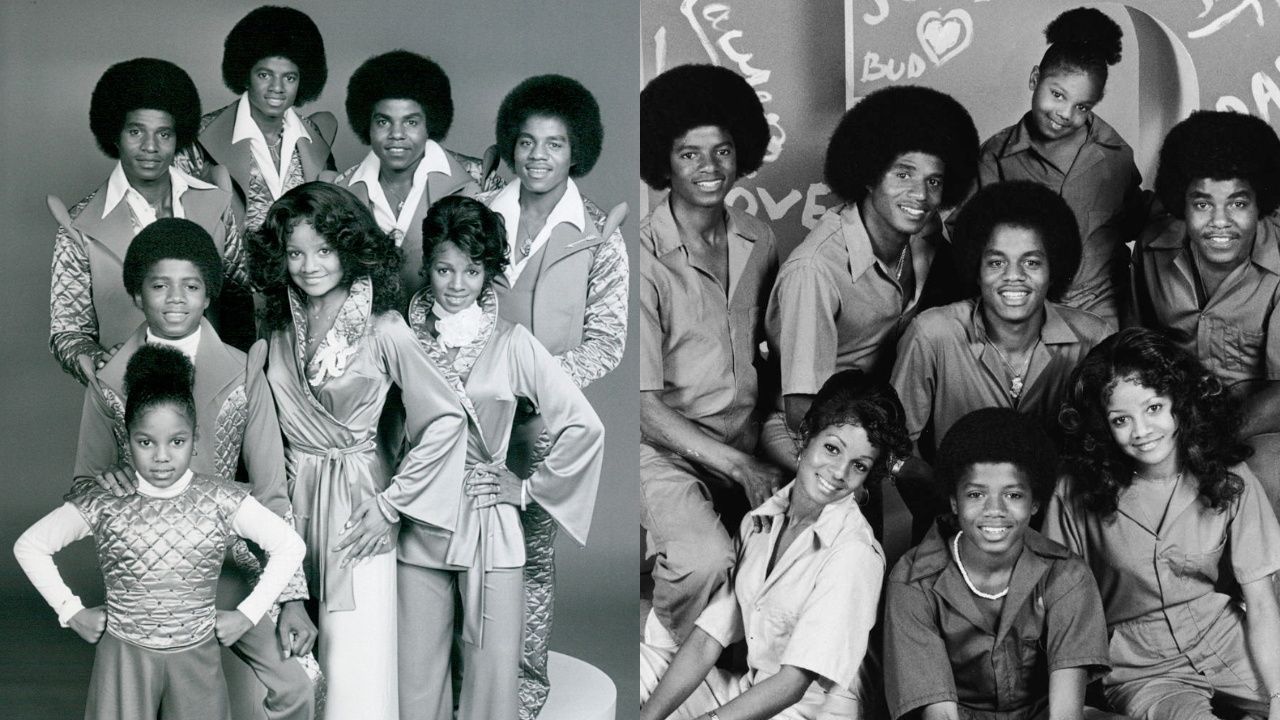
When the world thinks of the Jackson family, one name inevitably eclipses all others: Michael Jackson. The King of Pop remains an unparalleled icon, his music, dance, and tragic life story woven into the fabric of global culture. Yet Michael was never an only child. He was one of ten, born into a family where talent was as abundant as children. The Jackson siblings—Rebbie, Jackie, Tito, Jermaine, La Toya, Marlon, Randy, and Janet—each inherited the musical gift, though their journeys ranged from the brightest spotlights to quiet resilience. To understand the Jackson dynasty is to look beyond Michael and appreciate the ensemble cast that made the family name legendary.
Growing up in Gary, Indiana, under the strict, perfectionist eye of father Joe Jackson, the Jackson children were forged into a musical machine. The early success of The Jackson 5—with Michael as the dazzling lead—catapulted the family into superstardom. But as the siblings matured, the family band evolved, splintered, and gave way to solo careers marked by both triumph and turbulence. While Michael Jackson soared to unprecedented heights, his brothers and sisters navigated fame, personal struggles, and creative ambitions. Their stories are not mere footnotes; they are a testament to a family bound by blood, music, and the complicated legacy of growing up Jackson.
You Might Like: Fernando Mendoza: More Than an Athlete – A Son of Immigrants
The Brothers: Harmony, Rivalry, and Reinvention
The male Jackson siblings formed the backbone of the family’s early sound. Jackie, Tito, Jermaine, Marlon, and Randy—alongside Michael—created some of the most infectious pop and soul music of the 1970s. After leaving Motown for Epic Records, the group rebranded as The Jacksons, with Randy officially replacing Jermaine, who stayed at Motown. Jermaine enjoyed a respectable solo career, scoring a hit with “Let’s Get Serious” and later reuniting with his brothers.
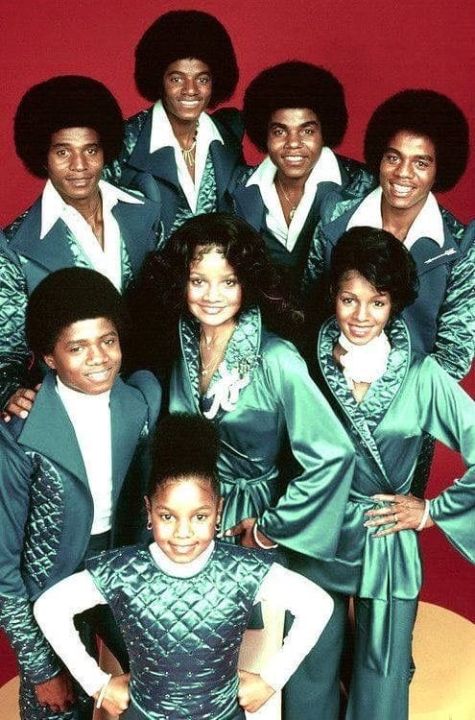
Meanwhile, Tito, known for his bluesy guitar work, finally released solo albums in his later years, proving that musical passion never faded. Jackie and Marlon also ventured into solo projects and occasional group reunions, though none matched Michael’s commercial juggernaut. Randy, the youngest brother, formed the band Randy & the Gypsys in the 1990s. Despite sibling rivalries and legal disputes over royalties, the brothers have often come together for tribute concerts and family milestones, their shared history in the cramped rehearsal rooms of Gary forever binding them.
The Sisters: From Quiet Beginnings to Global Stardom
The Jackson sisters—Rebbie, La Toya, and Janet—each defied expectations in their own way. Rebbie, the eldest sibling, was already an adult when her younger brothers became famous. She waited until the 1980s to launch her music career, scoring a dance hit with “Centipede”—a song written and produced by Michael Jackson. Rebbie has largely stayed out of the tabloid glare, focusing on family and occasional performances.
La Toya, in contrast, became one of the most controversial figures in the family. Her 1980s pop records, such as “Heart Don’t Lie,” were overshadowed by her estrangement from the family, tell-all books, and later reconciliations. La Toya’s journey has been one of survival, and she has since returned to the Jackson fold. Then there is Janet. Of all Michael’s siblings, Janet Jackson is the only one who achieved a comparable level of megastardom. With groundbreaking albums like Control, Rhythm Nation 1814, and The Velvet Rope, she carved out a distinct identity—alluring, socially conscious, and fiercely independent.
Also See: Patton Oswalt’s Journey Through Marriage, Loss, and New Love
Janet’s influence on pop and R&B rivals her brother’s, yet she has always acknowledged the family’s musical foundation. Together, the sisters represent the diverse paths open to women in a male-managed dynasty: from quiet dignity to rebellious assertion to world-conquering artistry. In the end, the Jackson siblings are not simply Michael Jackson’s brothers and sisters. They are architects of a family legacy that reshaped popular music. Their harmonies, rivalries, and individual lights prove that even in the longest shadow, talent finds its own way to shine.