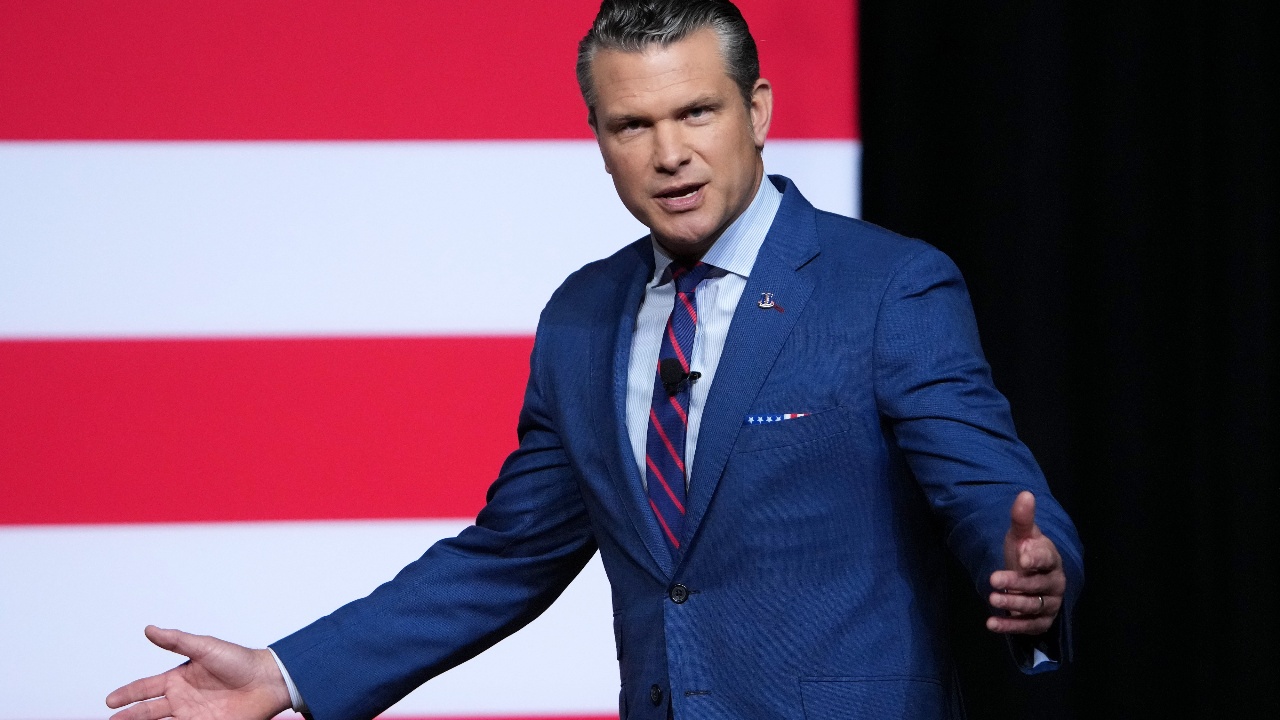
Pete Hegseth’s path to becoming the U.S. Secretary of War is deeply intertwined with his military service, a background frequently highlighted for its combat experience and conservative advocacy. His journey from a Princeton University student to a Fox News personality and, ultimately, to the leader of the massive Department of War showcases a career built on his identity as a soldier. If you’re wondering exactly what he did in uniform, let’s unpack the details of his deployments, his roles, and the controversies that have followed him.
Hegseth’s military career began through the Reserve Officers’ Training Corps (ROTC) at Princeton, where he was commissioned as an infantry officer in 2003. His service was not in the active-duty Army but in the Army National Guard, where he held the rank of major and served across multiple periods from 2003 to 2021. His time in uniform included several active-duty deployments to some of the most notable conflict zones of the era. According to his official biography and other accounts, he served at the Guantanamo Bay detention camp, guarded detainees there, and was later deployed to both Iraq and Afghanistan.
You Might Like: Stephen Federico: Logan Federico’s Father Slams Justice System
Deployments and Combat Experience
Pete Hegseth did indeed serve in combat zones, and his service included duties that put him in harm’s way. After his time at Guantanamo Bay, he volunteered for a tour in Iraq. There, he served as an infantry platoon leader with the 3rd Brigade of the 101st Airborne Division in locations like Baghdad and Samarra. He has described a near-death experience during this deployment, where a rocket-propelled grenade struck his vehicle but failed to detonate. For his service in Iraq, he was awarded a Bronze Star Medal and the Combat Infantryman Badge (CIB), awards that are typically associated with ground combat experience.
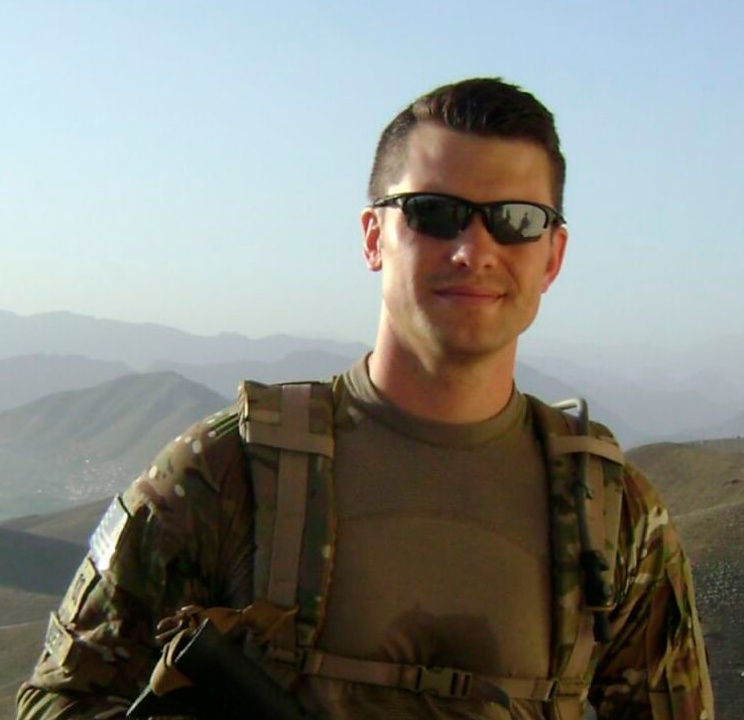
Later, in 2012, he returned to active duty and was deployed to Afghanistan. There, his role shifted from frontline leadership to training; he served as a senior counterinsurgency instructor at the Counterinsurgency Training Center in Kabul. This deployment occurred during the drawdown of U.S. troops, and he taught one of the final classes at the school before it closed. His military awards include a second Bronze Star, though the specific citations for these awards are not detailed in the provided sources.
Also See: J.K. Rowling Net Worth: Inside Her $1.2B Fortune in 2025
Controversies and Lasting Legacy
Pete Hegseth’s military service has not been without controversy, and some criticisms have extended into his tenure as Secretary of War. After his 2014 promotion to major, he enlisted in the Individual Ready Reserve and joined the D.C. Army National Guard in 2019. However, in 2021, he was barred from serving on duty at President Joe Biden’s inauguration. A fellow guardsman flagged him as a potential “insider threat” due to a tattoo on his arm of the Latin phrase “Deus vult” (“God wills it”), a Crusader battle cry that has been appropriated by some white supremacist groups. Hegseth maintained the tattoo is a Christian symbol, but he later left the Individual Ready Reserve in 2024, citing this incident.
His perspective on the military, shaped by his service, has heavily influenced his leadership of the department. He has been an outspoken critic of what he calls “woke” policies in the armed forces, arguing that a focus on diversity and inclusion has weakened military readiness. He has publicly stated that women should not serve in combat roles, asserting that their presence complicates fighting, and has advocated for holding all service members to the “highest male standard” for physical fitness. This philosophy has translated into action; as secretary, he has ordered an end to diversity initiatives and fired several top officers, including Admiral Lisa Franchetti, the first woman to serve as the Navy’s chief of naval operations.
WATCH: Secretary Pete Hegseth torches the reckless leaders who turned our military into the “woke department.”
For three straight minutes he lays it out and makes clear: It is a sacred duty to ensure our troops have nothing less than the best leadership:
“Our war fighters are… pic.twitter.com/w2CMGL2iEJ
— Benny Johnson (@bennyjohnson) September 30, 2025
To sum up, Pete Hegseth’s military career provided the foundational credibility for his political rise, marked by honorable combat service but also followed by debates over his management style, his views on modern military culture, and the policies he now implements from his position as Secretary of War.