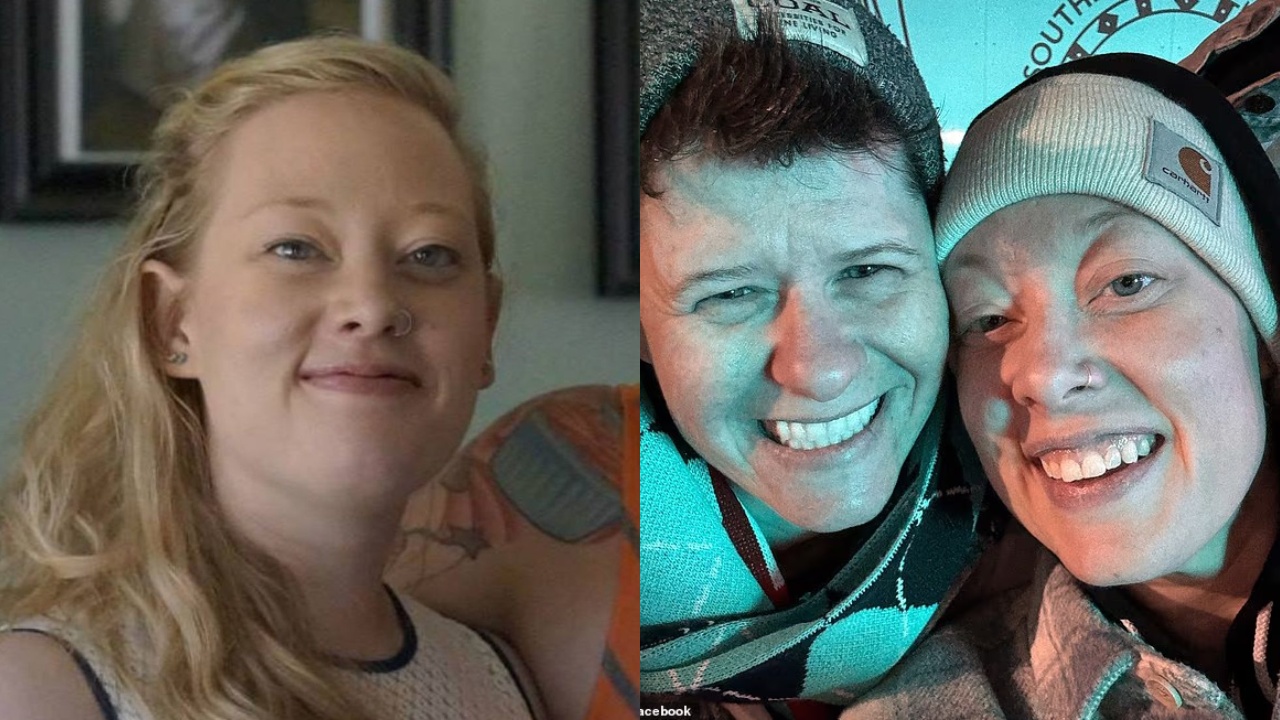
In the early days of 2026, a routine immigration enforcement operation in Minneapolis turned deadly, claiming the life of Renee Nicole Good, a 37-year-old mother and activist. The incident, which unfolded on a residential street, has ignited nationwide debates about federal agents’ use of force and the role of civilian protesters in monitoring immigration activities. Renee, remembered by loved ones as a compassionate poet and devoted parent, was fatally shot by an ICE officer after allegedly attempting to drive away from the scene, leaving behind a grieving family and a community in uproar.
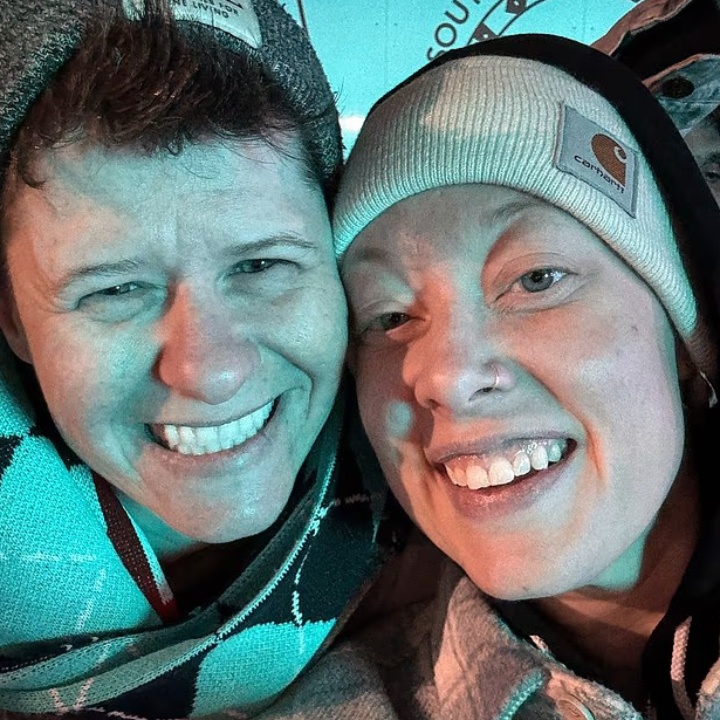
Her wife, Rebecca Brown Good, was at the center of the chaos, confronting agents moments before the gunfire erupted. Rebecca’s anguished cries, captured on video, echoed her deep regret and shock, as she blamed herself for involving Renee in the confrontation. The couple’s story highlights the personal toll of political activism, especially in a polarized era following Donald Trump’s 2024 re-election, which prompted their relocation and deepened their involvement in anti-deportation efforts.
You Might Like: Odessa A’zion’s Star-Studded Roots, Explained
A Life Cut Short Amid Activism
Renee Nicole Good’s journey was marked by creativity, family, and a fierce commitment to social justice. Born in Colorado, she built a life as a writer and poet, often sharing her thoughts on social media, where she described herself as a loving wife and mother. Her previous marriage to a comedian ended tragically with his death in 2023, leaving her to raise their six-year-old son alone until she found a partnership with Rebecca Brown Good. The family had recently resettled in Minneapolis after stints in Kansas City and a brief move to Canada, driven by fears over shifting U.S. policies on immigration and civil rights.
On that fateful January day, Renee was part of a group known as “ICE Watch,” volunteers who monitor federal immigration operations to document potential abuses. According to official accounts from the Department of Homeland Security, Renee and others had been “stalking and impeding” ICE agents throughout the day, culminating in her SUV blocking their path. When approached, she reportedly reversed the vehicle slightly before driving forward, prompting an agent—who had been injured in a similar incident the previous year—to fire three shots through the windshield. The car careened into another vehicle down the block, and Renee succumbed to a head wound at the scene.
Family members vehemently dispute the narrative portraying Renee as a “domestic terrorist” who weaponized her vehicle. Her mother, Donna Ganger, described her as one of the kindest souls imaginable, someone who cared for others her entire life and had no history of violence. Protests erupted in Minneapolis that evening, with thousands gathering for a candlelight vigil, clashing with police as anti-ICE sentiments boiled over. The shooting has drawn parallels to other high-profile cases of federal force, amplifying calls for investigations into ICE practices.
Also See: Who Is Dacoda Nichole Jones? Meet Rashee Rice’s Ex
A Partnership Tested by Loss and Regret
Rebecca Brown Good, a 40-year-old handywoman, shared a deep bond with Renee, stepping into the role of co-parent to their young son. Neighbors from their time in Kansas City’s Waldo neighborhood recalled the couple as ordinary and affectionate, far from the extremists depicted in some reports. Their decision to leave the U.S. temporarily after Trump’s victory reflected broader anxieties among progressive families, but returning to Minneapolis placed them in the heart of activist circles resisting deportations.
During the incident, Rebecca was outside the SUV, challenging the agents’ actions. Unaware of the immediate danger, she watched in horror as the vehicle sped away after the shots. Bloodied from trying to aid her wife, Rebecca was filmed sobbing uncontrollably, repeating, “I made her come down here; it’s my fault,” and lamenting the impact on their child, who was at school. “They just shot my wife. They shot her in the head. I have a six-year-old in school,” she cried, encapsulating the raw pain of the moment.
In the aftermath, Rebecca Brown Good has faced scrutiny amid the family’s grief, with the boy now orphaned and set to live with his grandfather. The couple’s story underlines the risks of grassroots resistance, where personal convictions collide with law enforcement. As federal probes continue, including FBI involvement in related Portland shootings, the Goods’ tragedy serves as a poignant reminder of how individual lives can become flashpoints in larger societal battles. Their legacy, though marred by sorrow, may inspire ongoing dialogues about accountability and humanity in immigration enforcement.