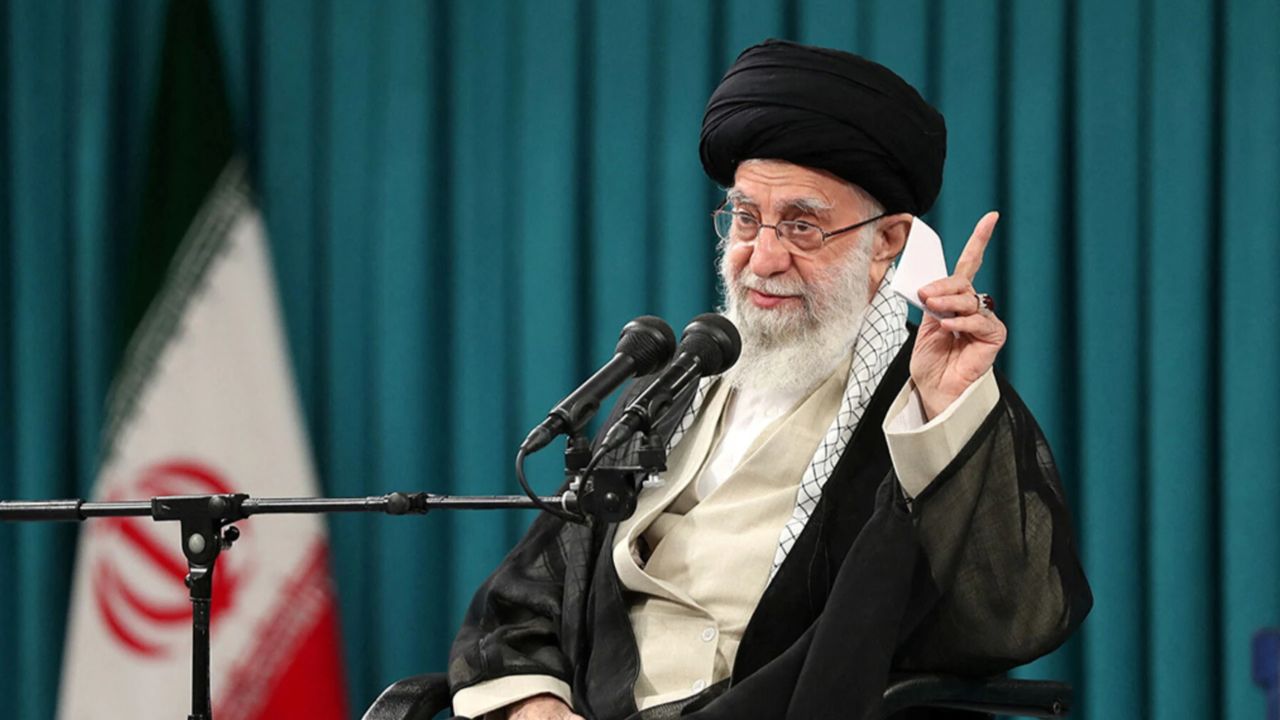
Ayatollah Ali Khamenei, Iran’s Supreme Leader for over three decades, met a dramatic end on February 28, 2026, when he was killed in a joint U.S.-Israeli airstrike on his compound in Tehran. At 86 years old, Khamenei had been a towering figure in Iranian politics since succeeding Ayatollah Ruhollah Khomeini in 1989, overseeing the Islamic Republic’s transformation into a regional power amid constant tensions with the West.
His death, confirmed by Iranian state media and celebrated in some parts of Tehran, marked the close of an era defined by hardline policies, nuclear ambitions, and proxy conflicts across the Middle East. As the world grapples with the implications for Iran’s future leadership, attention has turned to the vast financial empire he controlled, raising questions about the true extent of his wealth at the time of his demise.
Estimates of Ayatollah Ali Khamenei’s net worth have long been shrouded in secrecy, with no official disclosures from the Iranian government. However, investigations by international media and U.S. officials suggest he oversaw assets valued between $95 billion and $200 billion through opaque organizations tied to the state. This fortune, accumulated over decades, far eclipsed the personal wealth of global leaders like U.S. President Donald Trump ($7.3 billion) or Israeli Prime Minister Benjamin Netanyahu ($13 million), positioning Khamenei among the richest figures in modern politics. His death in 2026 has intensified scrutiny over how this wealth might be distributed or contested amid Iran’s impending power vacuum.
You Might Like: Jim Carrey’s Striking 2026 Comeback: New Face, Wild Theories
The Foundations of Khamenei’s Financial Empire
At the heart of Ayatollah Ali Khamenei’s wealth was Setad, formally known as the Headquarters for Executing the Order of the Imam, an organization established in the late 1980s to manage properties confiscated after the 1979 Islamic Revolution. Under Khamenei’s direct oversight, Setad evolved into a sprawling conglomerate with holdings in real estate, finance, oil, telecommunications, and even pharmaceuticals. A landmark 2013 Reuters investigation valued Setad’s assets at approximately $95 billion, a figure that U.S. officials later inflated to around $200 billion, citing its role in evading international sanctions. This empire operated independently of parliamentary oversight, allowing Khamenei to fund regime priorities, including support for groups like Hezbollah and the Houthis, without public accountability.
🚨 WATCH: The moment Iranian state TV announced the death of Iranian Supreme Leader Ayatollah Khamenei.
— Breaking911 (@Breaking911) March 1, 2026
Khamenei’s family also benefited from this network. His son Mojtaba Khamenei, often seen as a potential successor, was reported to have amassed over $3 billion in personal assets, including holdings in European banks and domestic investments. Other relatives, such as his brother Hadi and son Meysam, controlled significant sums through affiliated businesses. Critics argue that this wealth was built on corruption, property seizures from religious minorities like the Baha’is, and money laundering schemes. Khamenei himself maintained a facade of modesty, residing in a simple Tehran home and emphasizing austerity in public speeches, but the disparity between his controlled riches and Iran’s economic woes—where inflation soared and millions struggled with poverty—fueled domestic unrest.
Controversies Surrounding the Estimates
The true scale of Ayatollah Ali Khamenei’s net worth at his 2026 death remains contested, as Setad’s accounts were never transparent. Some sources, like Celebrity Net Worth, pegged his personal fortune at a mere $50,000, distinguishing it from the institutional assets he commanded. However, experts contend that his control over Setad effectively made these billions his to wield, blurring the line between personal and state wealth. U.S. sanctions in recent years targeted Setad for circumventing restrictions, highlighting its role in generating revenue for Iran’s leadership. In 2019, the U.S. Embassy in Baghdad estimated Khamenei’s holdings at $200 billion, a claim echoed in 2026 analyses amid escalating U.S.-Iran tensions.
Ayatollah Ali Khamenei’s wealth starkly contrasted with Iran’s broader economy, where sanctions and mismanagement left citizens grappling with bread shortages while the Supreme Leader’s empire funded lavish projects and foreign adventures. His death has sparked debates over succession and asset distribution, with no clear heir apparent after the 2024 helicopter crash that killed former President Ebrahim Raisi. As Iran navigates this turbulent transition, the legacy of Khamenei’s financial dominance—built on revolution but marred by allegations of theft and oppression—will likely influence the nation’s path forward. Whether his vast resources empower a new regime or ignite further internal strife remains to be seen.