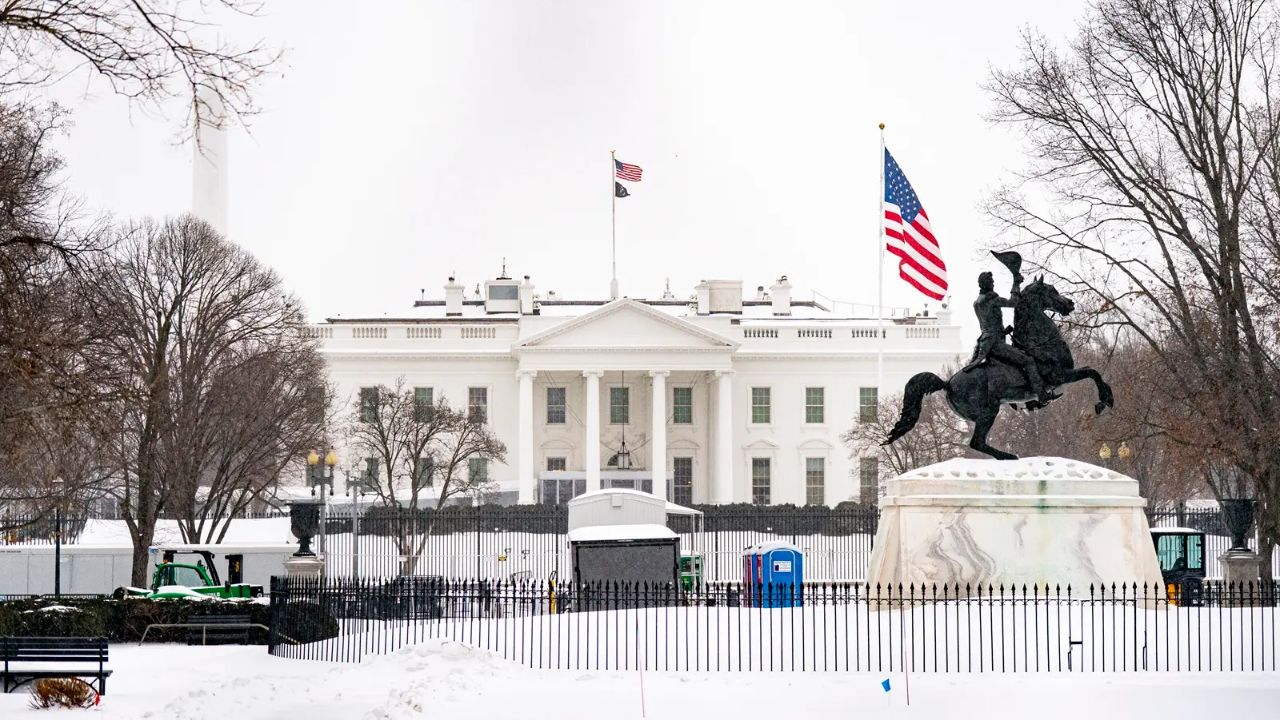
As the third Monday in February rolls around, millions of Americans find themselves pondering the same question: will schools, colleges, and offices shut down for President’s Day 2026? This year, the holiday lands squarely on Monday, February 16, a date that has become synonymous with a much-needed midwinter break. Officially known as Washington’s Birthday at the federal level, President’s Day honors the legacies of George Washington, Abraham Lincoln, and other U.S. presidents, blending patriotism with a long weekend tradition that began in the 1970s to boost employee morale.
Yet, the answer isn’t as straightforward as one might hope. While federal law mandates closures for government operations, the ripple effects on education and private sectors depend on a patchwork of state rules, district decisions, and corporate policies. For families juggling childcare and professionals eyeing a day off, understanding these nuances can make all the difference in planning ahead.
Schools: Mostly Closed, But Verify Locally
In the vast landscape of American K-12 education, President’s Day typically translates to a full day off for students and staff in public schools across the country. This isn’t just a perk—it’s woven into many school calendars as a way to extend the February break, often aligning with midwinter recess in northern states. Major districts in places like New York, New Jersey, and California have announced closures, giving kids a chance to recharge while teachers tackle administrative tasks or enjoy the holiday themselves.
You Might Like: Morikawa Strikes Gold Again: $3.6M Pebble Beach Win
That said, not every school follows suit. Some private institutions or charter schools in warmer climates might stay open, treating it as a standard instructional day to meet annual requirements. Parents are urged to check their local district’s website or app, as last-minute shifts can occur due to weather or staffing needs. For instance, in Philadelphia, schools are closed not only for the holiday but paired with Lunar New Year observances, creating a two-day hiatus.
Colleges and Universities: A Patchwork of Policies
Higher education paints a slightly more varied picture. Many colleges and universities across the U.S. observe President’s Day by canceling classes and closing administrative offices, especially public institutions that mirror federal holidays. Campuses in states like Florida and Texas often list it prominently in their academic calendars, allowing students a breather before midterms ramp up.
However, this isn’t universal. Private universities and community colleges sometimes opt to keep doors open, particularly those with heavy online components or research-focused schedules. Students at places like Bowdoin College, for example, might find administrative staff off but classes in session, highlighting how institutional priorities shape the day. The best advice? Log into your school’s portal or email advisors—procrastination here could mean showing up to an empty lecture hall.
Offices: Federal Shutdowns, Private Flexibility
When it comes to workplaces, the divide is stark. Federal offices, including everything from the IRS to national parks’ administrative hubs, are unequivocally closed, as mandated by law. This extends to banks, the stock market, and the U.S. Postal Service, where mail delivery grinds to a halt and ATMs become the go-to for cash needs.
Private offices and businesses, however, operate on their own terms. Many corporations grant the day off to salaried employees, fostering a sense of goodwill, but retail giants like Walmart and Target often remain bustling, capitalizing on holiday sales. Tech firms in Silicon Valley might enforce remote work or full closures, while essential services—hospitals, emergency responders, and grocery stores—keep humming along. For office workers, it’s wise to consult HR policies or union agreements, as some sectors view it as a floating holiday that can be swapped for another date.
In the end, President’s Day 2026 serves as a reminder of America’s flexible approach to holidays: a blend of national unity and local autonomy. Whether you’re a student savoring the snow day or an employee negotiating time off, a quick check with your specific institution or employer ensures no surprises. After all, in a nation built on diverse traditions, the real celebration lies in how we choose to spend that extra Monday.