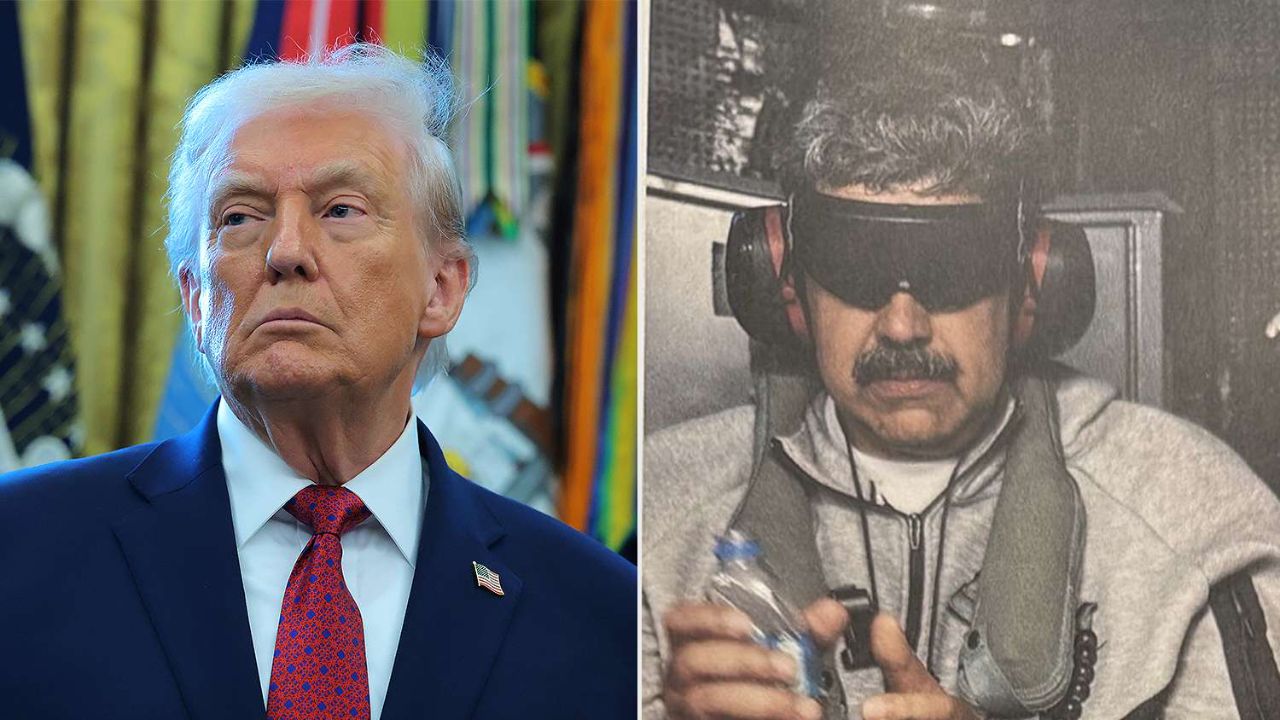
The Donroe Doctrine, a playful yet pointed term blending “Donald” and “Monroe,” has emerged as shorthand for President Donald Trump’s assertive foreign policy in the Western Hemisphere. Coined by analysts in recent weeks, it captures Trump’s strategy of reasserting U.S. dominance to counter foreign influences, much like the historic Monroe Doctrine but with a modern, interventionist twist focused on economic gains and security threats. This approach has spotlighted Venezuela, where Trump’s administration has taken dramatic steps to oust entrenched leaders and secure resources, marking a departure from softer diplomatic tactics of past eras.
Recent events have thrust the Donroe Doctrine into global headlines, particularly with the U.S. capture of Venezuelan President Nicolás Maduro just days ago. Following reports of explosions in Caracas and sightings of low-flying aircraft, Maduro was detained and transported to New York, signaling Trump’s willingness to use direct action. This move aligns with his declared plans to “run Venezuela” and harness its vast oil reserves for American benefit, diverging from previous U.S. interventions that prioritized democratic handovers. As of January 2026, this has ignited debates on sovereignty, imperialism, and the future of Latin American relations.
The Meaning and History of the Monroe Doctrine
“The Monroe Doctrine is a big deal, but we’ve superseded it by a lot. They now call it the Donroe Doctrine.”
He’s always on 😂 pic.twitter.com/78P3MnrLFv
— Josh Rainer (@JoshRainerGold) January 3, 2026
The Monroe Doctrine, first articulated by President James Monroe in 1823, was a foundational U.S. foreign policy aimed at shielding the Americas from European colonialism. At its core, it declared that any further attempts by European powers to colonize or interfere in the Western Hemisphere would be viewed as acts of aggression, warranting U.S. intervention. This policy emerged amid the independence movements of Latin American nations from Spanish rule, positioning the United States as a protector of republican governments in the region.
Over the centuries, the doctrine evolved through various interpretations. In the early 20th century, it justified U.S. military actions in Latin America, often criticized as imperialistic. Presidents like Theodore Roosevelt expanded it with his “corollary,” allowing U.S. policing of the region to prevent European involvement. Later, during the Cold War, it shifted to counter Soviet and communist influences, as seen in interventions in Cuba and elsewhere. By the late 20th century, it emphasized multilateralism and nonintervention under leaders like Franklin D. Roosevelt, blending with alliances like the Organization of American States. Despite periods of dormancy, the doctrine has endured as a symbol of American hemispheric hegemony.
Donald’s Trump’s Application to Venezuela
Donald Trump has reinvigorated the Monroe Doctrine through what some call the “Trump Corollary,” explicitly outlined in his 2025 National Security Strategy. This update reasserts the policy to exclude not just European powers but also modern rivals like China and Russia from influencing Latin America. Trump’s version prioritizes securing resources, such as Venezuela’s oil, and using economic tools like tariffs alongside military might to enforce U.S. interests. It’s a stark revival, framing the doctrine as a tool for “America First” amid global competition.
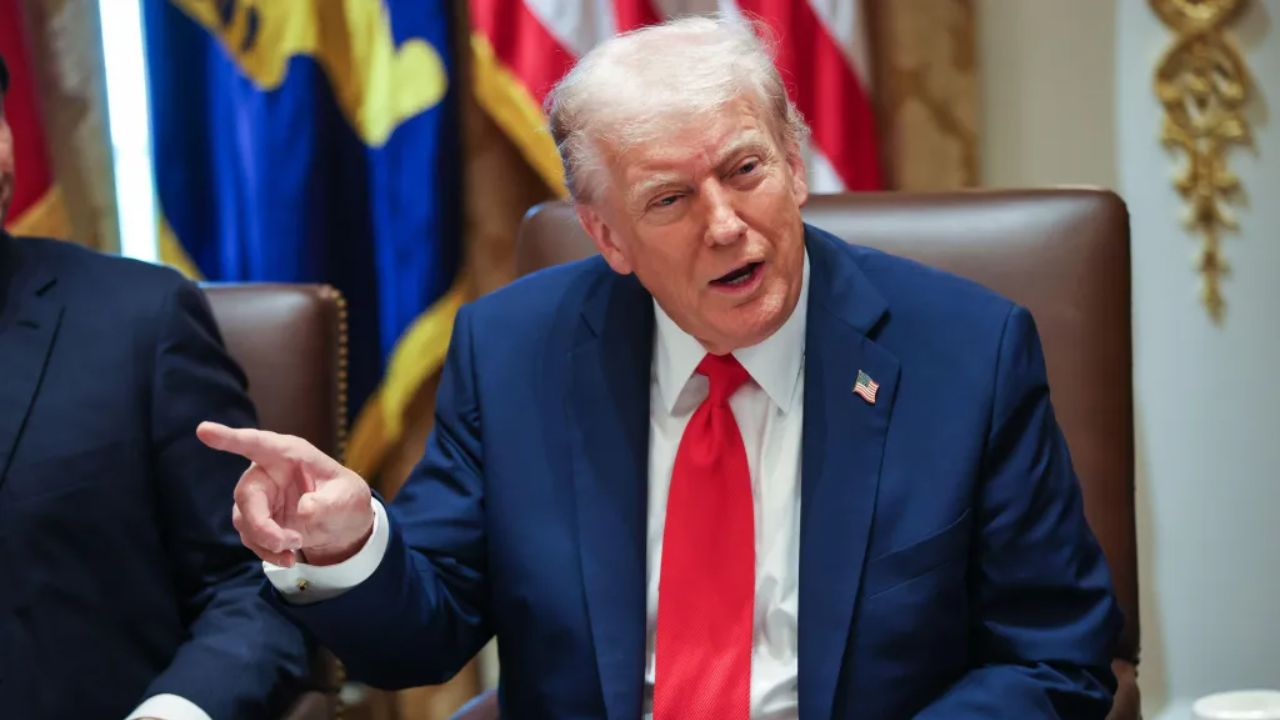
In Venezuela, this has played out vividly. Facing Maduro’s regime, accused of authoritarianism and ties to foreign adversaries, Trump’s administration backed opposition figures and imposed sanctions during his first term. The recent capture of Maduro represents the doctrine’s aggressive enforcement, with Trump announcing intentions to manage the country directly for profit—a move echoing 19th-century interventions but adapted to contemporary energy needs.
Critics argue this risks alienating allies and reviving perceptions of U.S. imperialism, while supporters see it as necessary to restore stability and curb migration flows. As Venezuela’s crisis unfolds, the Donroe Doctrine may define Trump’s second-term legacy, testing the balance between protectionism and international norms.