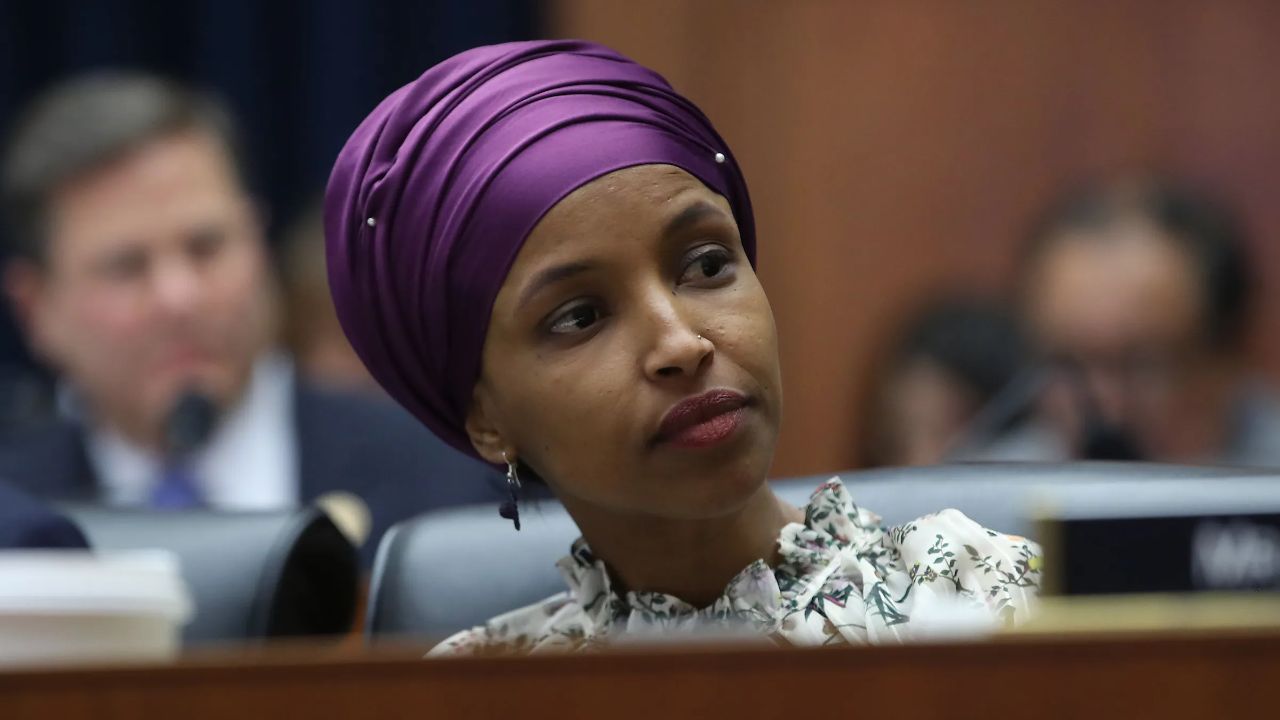
Representative Ilhan Omar, a Democratic congresswoman from Minnesota, has been a prominent figure in American politics since her election to the House in 2018. As one of the first Muslim women in Congress, her career has been marked by progressive advocacy on issues like foreign policy and social justice. Recently, her personal finances have come under intense scrutiny, with claims circulating about dramatic increases in her net worth, sparking debates about congressional ethics and wealth accumulation. These discussions have been fueled by her annual financial disclosures, which reveal assets tied to her husband’s business interests, amid broader investigations into alleged fraud in her home state.
Omar has vehemently denied allegations that her net worth has skyrocketed from near zero to tens of millions, calling such claims “ridiculous” and urging critics to “learn to read” the disclosure forms properly. Fact-checkers have pointed out that the high estimates, sometimes cited as up to $30 million or even $44 million by figures like President Donald Trump, stem from misinterpretations of broad valuation ranges in her reports rather than precise individual stakes. Instead, her actual wealth appears more modest, though it has grown steadily since entering Congress, prompting questions about sources of income and potential conflicts of interest.
Financial Trajectory and Projections
Ilhan Omar’s financial journey reflects a progression from modest beginnings to a more stable position, influenced by her public service roles. Before joining Congress, she served in the Minnesota House of Representatives from 2017 to 2019, where her salary was approximately $31,000 annually, typical for state legislators at the time. Her net worth prior to federal office was estimated at around $8,000 in 2019, based on early disclosures that showed limited assets and some liabilities. This low figure aligned with her background as a Somali refugee who arrived in the U.S. as a child and worked in community organizing and nutrition education before politics.
You Might Like: Anthony Kazmierczak’s Facebook Trail: MAGA Posts
Since becoming a congresswoman, Omar’s base salary has been $174,000 per year, the standard for rank-and-file members of the House. Her net worth has shown incremental growth in subsequent years: approximately $58,000 in 2020, $123,000 in 2021, $173,000 in 2022, and a dip to $115,000 in 2023, according to aggregated reports from financial tracking sites. The most significant reported jump came in her 2024 disclosure, filed in May 2025, where assets linked to spousal businesses pushed potential valuations into the millions, though experts argue these ranges inflate the true picture. OpenSecrets data corroborates a net worth in the low six figures for most years, emphasizing bank accounts, retirement funds, and minimal investments.
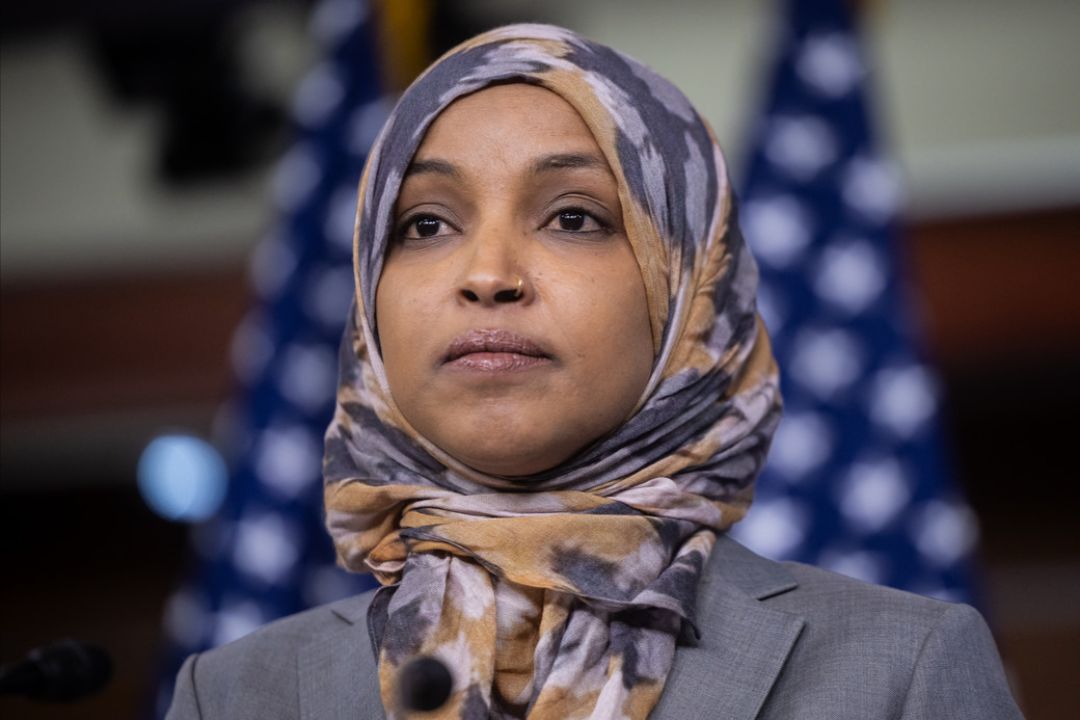
Looking ahead, projections for Omar’s net worth in 2026 remain uncertain due to ongoing scrutiny and potential legal developments. If her husband’s ventures continue to appreciate, conservative estimates suggest her household net worth could reach $1-2 million by early 2026, assuming no major disruptions. By late 2026, it might stabilize or grow modestly to $2-3 million, factoring in her salary and any investment returns, but investigations could alter this trajectory. Critics point to a 3,500% surge in reported values from 2024, but fact-checks attribute this to disclosure methodologies rather than actual windfalls. Overall, her wealth accumulation appears tied to legitimate spousal earnings, though transparency concerns persist.
Husband’s Ventures, Winery, and Fraud Fact Check
Tim Mynett, Ilhan Omar’s husband since 2020, is a political consultant whose business activities have drawn significant attention. His net worth is intertwined with Omar’s disclosures, with estimates varying widely but often cited in the context of their combined assets reaching up to $30 million. Mynett’s firm, formerly involved in campaign consulting for Omar, has shifted to ventures in cannabis and wine, contributing to the perceived wealth increase. However, these businesses have faced legal challenges, including settled lawsuits accusing Mynett and his partner, Will Hailer, of defrauding investors.
Central to the controversies is eStCru LLC, a California winery co-owned by Mynett. Valued at $15,000-$50,000 in 2023 disclosures, it reportedly jumped to millions in 2024 reports, raising eyebrows about its operations and legitimacy. Investigations have uncovered allegations of swindling an investor out of promised returns, with Mynett denying wrongdoing, while another related company owes $1.2 million to cannabis growers. Critics, including conservative media, have questioned whether the winery is “100% fake,” citing minimal visible activity despite high valuations. Fact-checks, however, note that while lawsuits exist, no criminal charges have been filed against Mynett, and the valuations are self-reported ranges that may overstate reality.
Broader fraud allegations link Ilhan Omar to Minnesota’s massive COVID-era scandals, involving hundreds of millions in misused funds for child nutrition programs. House Republicans have launched probes, with Trump claiming DOJ involvement, though Omar dismisses these as politically motivated attacks. Fact-checkers emphasize that no direct evidence ties her to the frauds, which have led to convictions of others in the Somali community, and she has called any unproven links a failure of federal oversight. As investigations unfold, these claims continue to fuel partisan debates, underscoring the challenges of separating fact from rhetoric in congressional finances.