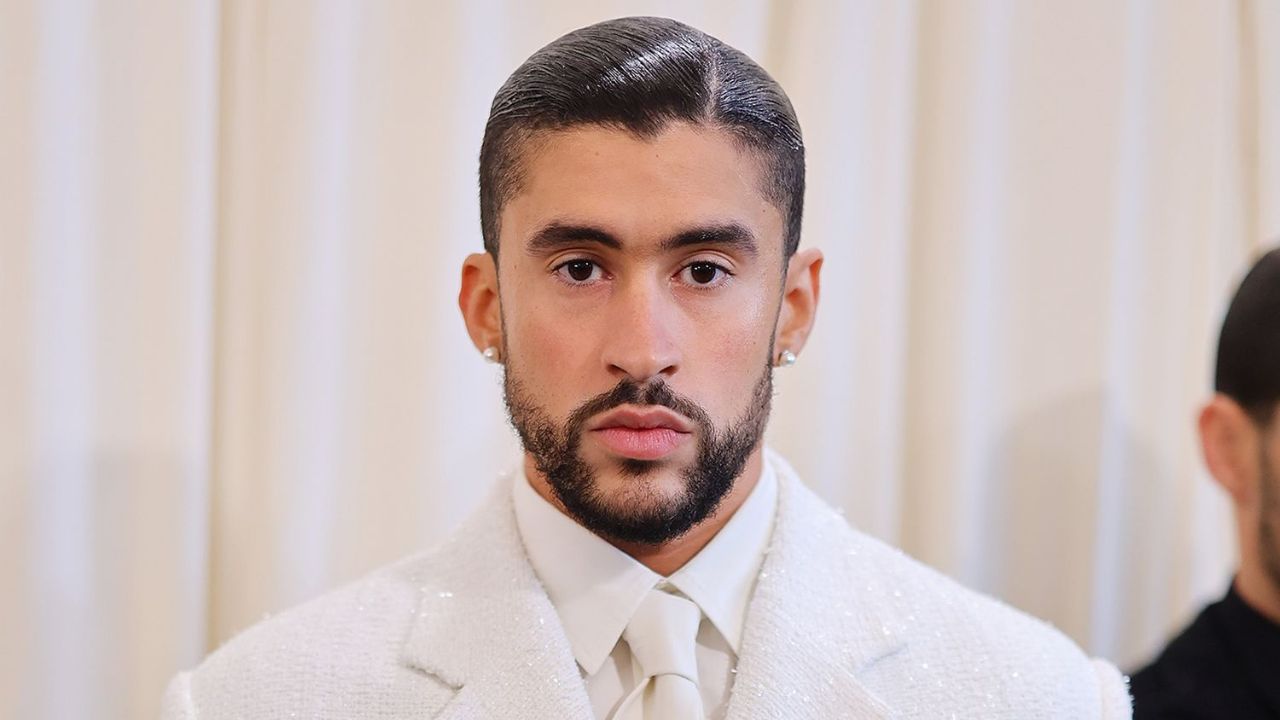
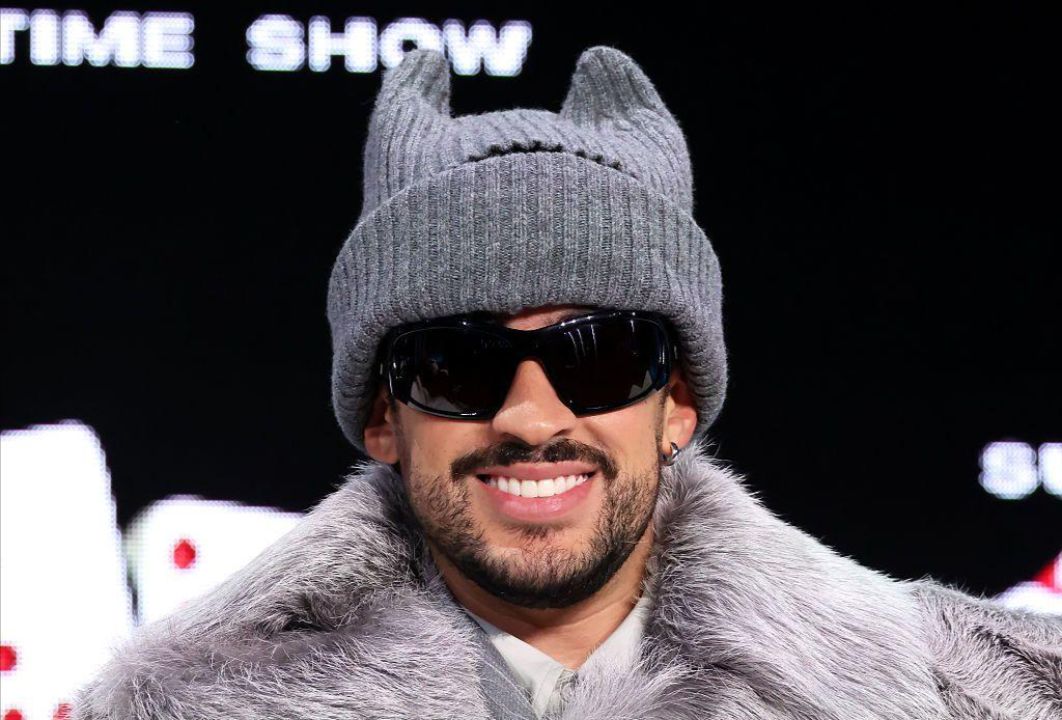
As Super Bowl LX unfolds on February 8, 2026, all eyes are on Puerto Rican superstar Bad Bunny, who is set to headline the Apple Music Halftime Show at Levi’s Stadium. The announcement has sparked massive excitement among fans worldwide, but it has also triggered online debates about the artist’s legal status in the United States. With his performances often blending reggaeton, Latin trap, and cultural pride, many viewers are now asking: Is Bad Bunny a legal U.S. citizen?
These questions tie directly into longstanding misconceptions about Puerto Rico’s relationship with the mainland United States. As the artist prepares for what could be one of the most-watched halftime performances in history—potentially the first dominated by Spanish-language hits—clarifying these facts has become more important than ever. The buzz reflects both celebration and confusion in a politically charged moment.
You Might Like: Who Is James Pearce Jr.’s Girlfriend? All About Rickea Jackson
Puerto Rican Citizenship: A Century of American Status
Puerto Ricans have held U.S. citizenship for over a hundred years, a status granted collectively through the Jones-Shafroth Act of 1917. This law extended citizenship to residents of the island, which became a U.S. territory after the Spanish-American War in 1898. For those born in Puerto Rico on or after January 13, 1941, citizenship is acquired at birth, just like in any of the 50 states.
Bad Bunny, born Benito Antonio Martínez Ocasio on March 10, 1994, in Bayamón, Puerto Rico, is therefore a U.S. citizen by birth. He does not need to naturalize or carry special immigration documents to live, work, or travel freely within the United States. Puerto Ricans enjoy full citizenship rights, including the ability to serve in the U.S. military, hold U.S. passports, and vote in presidential primaries—though they cannot vote in the general election unless they reside in one of the states.
This reality has not changed “now” or recently; it has been consistent for generations. Despite Puerto Rico’s unique status as an unincorporated territory—meaning residents pay certain federal taxes but lack full voting representation in Congress—the citizenship link remains ironclad. Misinformation often arises from the island’s distinct culture, language, and political debates over statehood, but legally, Puerto Ricans are Americans.
Also See: Brad Arnold: How Kidney Cancer Silenced 3 Doors Down’s Voice
Historic Halftime Spotlight and Cultural Impact
Bad Bunny’s selection as the Super Bowl halftime headliner marks a milestone. As the first artist with a primarily Spanish-language repertoire to command the stage alone, he brings global Latin music to the biggest American sporting event. His set is expected to feature high-energy hits from albums like Un Verano Sin Ti and newer releases, showcasing reggaeton rhythms that have dominated charts worldwide.
The choice highlights the NFL’s push for broader international and younger audiences. Bad Bunny’s massive streaming numbers and sold-out tours make him a natural fit, yet the performance has stirred controversy. Some critics have questioned his “Americanness” due to his Puerto Rican roots and use of Spanish, echoing past backlash against Latino performers. In reality, these attacks ignore the simple truth of his citizenship and the vibrant contributions of Puerto Rican Americans to U.S. culture.
As the show unfolds today, it represents more than entertainment. It celebrates diversity within American identity, proving that a kid from Vega Baja can command the world’s biggest stage. Fans anticipate guest appearances and a vibrant display of Puerto Rican pride, complete with dancers, visuals, and anthems that unite audiences across languages. Whether singing in Spanish or connecting through rhythm, Bad Bunny embodies the evolving face of American music.
In the end, the halftime show transcends citizenship debates. It reminds us that U.S. identity is rich, multifaceted, and inclusive—qualities Bad Bunny has championed throughout his career. As millions tune in, the performance will likely affirm that talent and cultural pride know no borders, even as they strengthen the bonds within them.