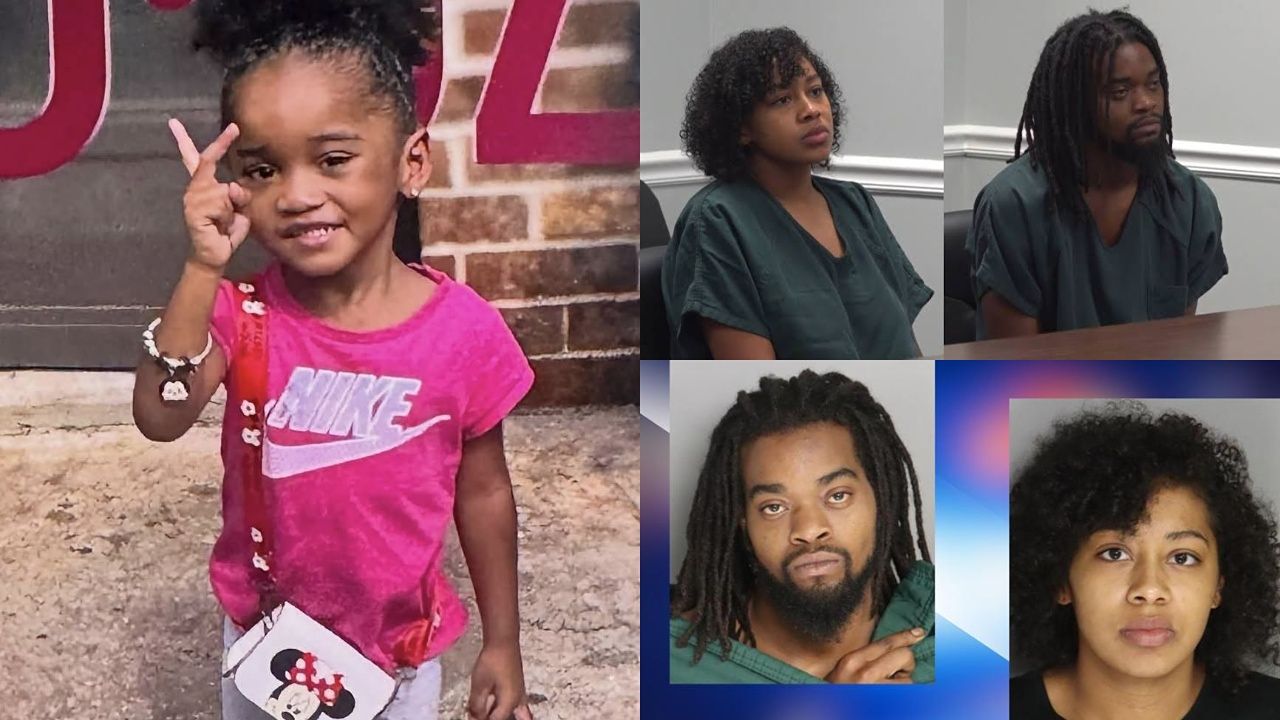
The name Javeayah Harris has become synonymous with one of the most harrowing child abuse cases in recent memory. At just four years old, this young girl from Aiken, South Carolina, became the victim of an unimaginable crime that has shocked the nation and left a community grieving. What began as a missing person report on June 30, 2026, quickly unraveled into a nightmare, revealing that Javeayah had allegedly been killed by her own parents, who then went to grotesque lengths to conceal their actions. Her story is not just one of tragedy but also a stark reminder of the vulnerabilities that can exist within the very walls that should offer the most protection—the family home.
As details of the investigation emerged, the public learned about the people responsible for Javeayah’s care. Her parents, Michilae Herring and Johnmarea Harris (also spelled Johmarea Harris), are at the center of this devastating case. Both are young—Herring is 22 and Harris is 23—and they now face a lifetime of consequences for the horrific acts they are accused of committing. The case has drawn intense scrutiny not only for the alleged murder but also for the calculated effort to destroy evidence, a level of depravity that even seasoned law enforcement officials have described as unprecedented in their careers.
You Might Like: Cardi B’s New Flame in 2026: The Paris Fashion Week Sighting That Has Everyone Talking
The Parents and the Unthinkable Crime
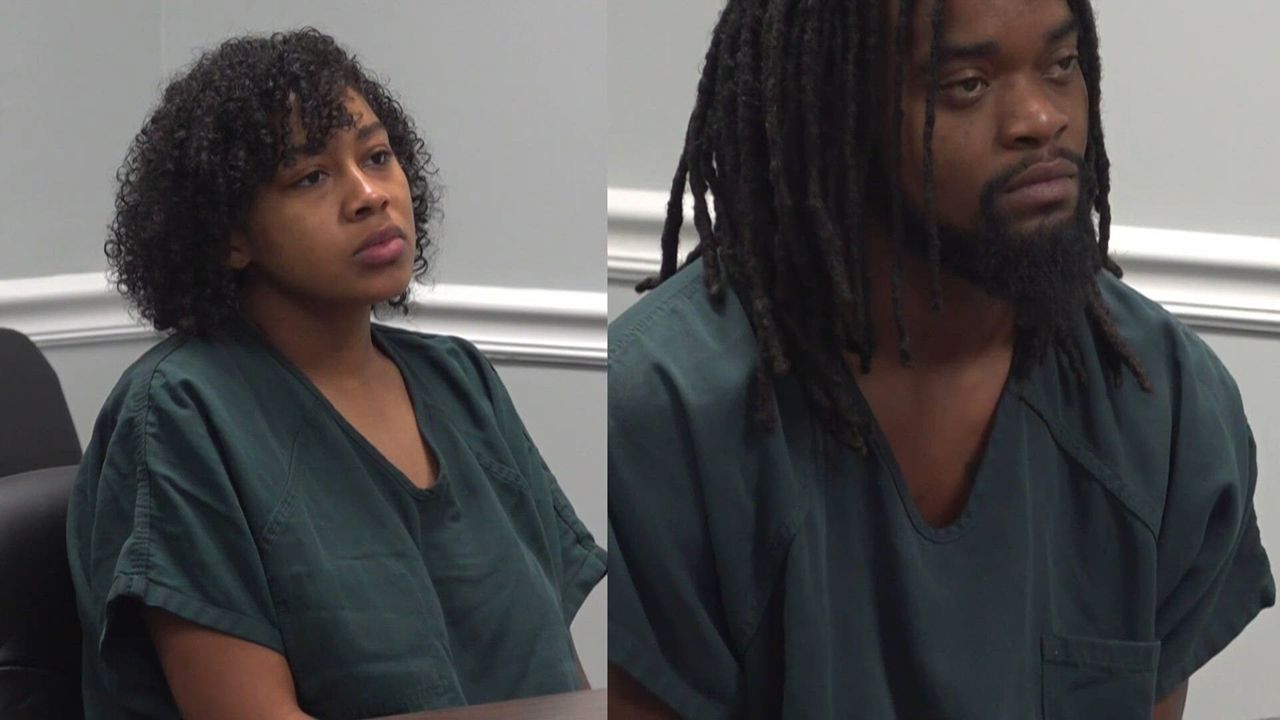
Javeayah Harris’s parents, Michilae Herring and Johnmarea Harris, were arrested on July 4, 2026, and have been charged with homicide by child abuse and destruction and desecration of human remains. Herring faces an additional charge of filing a false police report. According to investigators, Javeayah suffered a fatal head injury caused by abuse and was never taken for medical treatment. Authorities believe she died around early June, roughly a month before her mother reported her missing.
The alleged cover-up is what makes this case particularly chilling. Investigators say the parents used corrosive chemicals and other tools to destroy Javeayah’s body, then poured the remains into Cedar Creek Reservoir in an attempt to hide the evidence. Aiken County Sheriff Marty Sawyer, visibly shaken, stated that he would not refer to Herring and Harris as “mom and dad” because they “don’t deserve that title”. The couple has been denied bond, and if convicted, they face 20 years to life in prison.
Amid this tragedy, there is a surviving child. Javeayah’s newborn baby sister was born just days before Herring’s arrest. The infant is now in the custody of her paternal grandmother, who is reportedly grieving the loss of her granddaughter while also stepping up to care for the newborn. A family friend has described the grandmother as “devastated” but determined to provide for the baby. The South Carolina Department of Social Services has placed the newborn with this relative, aligning with their goal of keeping children with safe family members whenever possible.
Ethnicity, Nationality, and Family Origins
Javeayah Harris was a four-year-old African American girl from Aiken, South Carolina. Law enforcement officials also described her as a “mixed race female” in public statements. This classification reflects the diverse heritage that is common in many American families, though specific details about her parents’ ethnic backgrounds have not been publicly disclosed. What is clear is that Javeayah was an American citizen by birth, born in the United States, and her roots are firmly planted in the American South.
The Harris and Herring families have ties to Great Falls, South Carolina, a small town that a family friend described as having “one stoplight”. This is where Javeayah’s parents are from, and it is where the extended family continues to live. The paternal grandmother, who now cares for Javeayah’s baby sister, resides in this close-knit community. The family’s origin is deeply Southern, and the tragedy has reverberated through both Great Falls and Aiken, where Javeayah lived with her parents.
Also See: Félix Auger-Aliassime: The Multicultural Roots Behind a Rising Tennis Star
While the public may never know the full extent of Javeayah’s family history or the precise ethnic makeup of her parents, the available information paints a picture of a young American girl from a working-class background. Her father was a fisherman, according to his social media pages, and the family lived in a modest home on Hillsboro Street. Javeayah’s life, though tragically brief, has left an indelible mark on her community and the nation, sparking conversations about child welfare, abuse prevention, and the failures that can allow such horrors to occur.
Ultimately, Javeayah Harris’s story is a somber reminder of the innocence that was stolen and the family that failed her. Her newborn sister will grow up knowing only the aftermath of this tragedy, raised by a grandmother who has already endured more than any grandparent should. As the legal process unfolds, the memory of Javeayah—a little girl who loved pink, wore Minnie Mouse pajamas, and had braided hair—will continue to serve as a symbol of the urgent need to protect the most vulnerable among us.