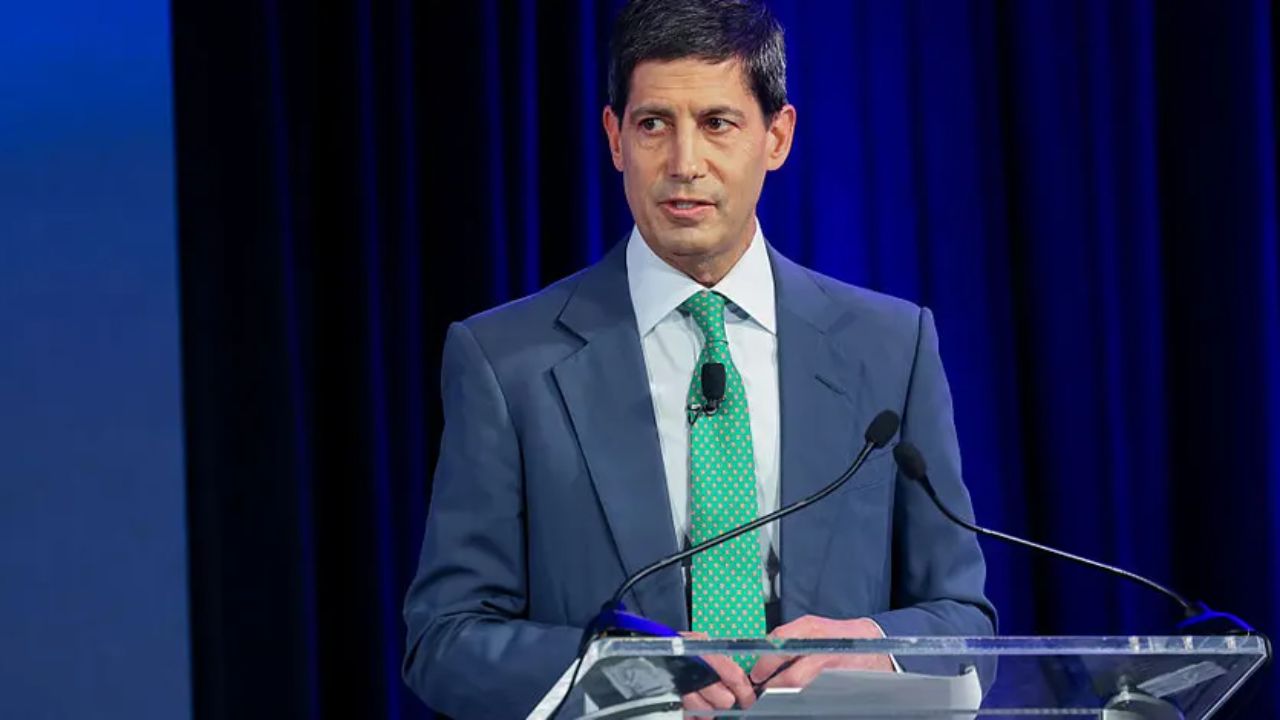
Kevin Warsh, a prominent economist and former Federal Reserve governor, has been thrust into the spotlight with President Donald Trump‘s nomination on January 30, 2026, to succeed Jerome Powell as chair of the Federal Reserve. At 55, Warsh brings a blend of Wall Street experience, policy expertise, and a conservative economic outlook that aligns with Trump’s vision for monetary policy reform. His selection ends months of speculation and signals potential shifts in how the Fed approaches interest rates, inflation, and market interventions, especially amid ongoing debates about fiscal dominance and economic growth.
Born in Albany, New York, in 1970, Warsh rose from modest beginnings to become one of the youngest appointees in Fed history. His career trajectory includes stints at Morgan Stanley, service in the George W. Bush administration, and a tenure on the Fed board from 2006 to 2011. Critics and supporters alike note his vocal opposition to the Fed’s expansive role in recent years, advocating for a return to core mandates like inflation control and banking stability rather than acting as a perpetual market backstop.
You Might Like: Sean Grayson and Isabel Butterfield: A Fiancée’s Life Upended
Early Life and Jewish Roots
Kevin Warsh was raised in a Jewish family in Loudonville, New York, as the youngest of three children to parents Judith and Robert Warsh. His faith has been a consistent aspect of his personal identity, though he has kept it relatively private in his professional life. Sources confirm his Jewish religion, rooted in a family that emphasized education and community values. Warsh’s upbringing in upstate New York instilled a strong work ethic, leading him to graduate from Stanford University and later earn a law degree from Harvard.
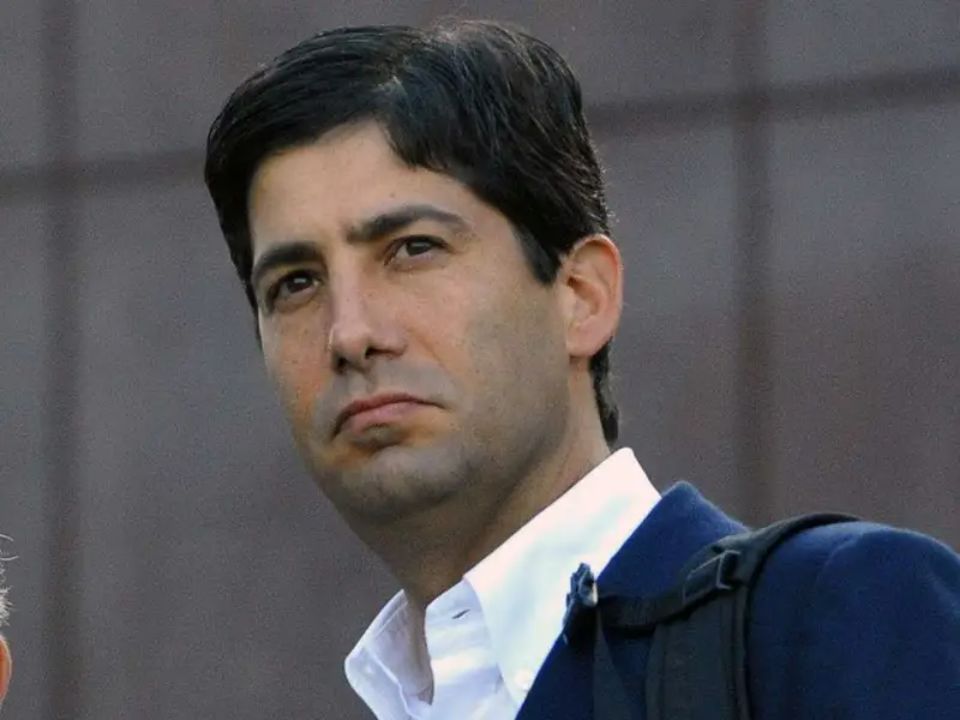
His marriage to Jane Lauder, granddaughter of cosmetics icon Estée Lauder, further ties him to prominent Jewish circles. Jane’s family, known for their philanthropy and business acumen, has deep roots in Jewish American history. Warsh’s father-in-law, Ronald Lauder, serves as president of the World Jewish Congress and has been a longtime acquaintance of Trump, dating back to their shared time at the University of Pennsylvania.
This connection has fueled speculation about influence in Warsh’s nomination, though Warsh himself is recognized for his independent economic views. His faith, while not a defining public feature, reflects a broader narrative of Jewish contributions to American finance and policy, echoing figures like Alan Greenspan and Ben Bernanke, who previously led the Fed.
Nomination and Future as Fed Chair
Trump’s announcement via Truth Social praised Warsh as a “central casting” choice who would excel in the role, highlighting his experience and reliability. If confirmed by the Senate, Kevin Warsh would assume the position in May 2026, overseeing the nation’s monetary policy at a critical juncture. Economists anticipate he might advocate for interest rate cuts to support Trump’s agenda of technological dominance and reindustrialization, but his past criticisms suggest a reluctance to monetize excessive debt.
JUST IN: 🇺🇸 President Trump officially selects Kevin Warsh as new Federal Reserve Chair. pic.twitter.com/pZaDTz8Qmu
— Watcher.Guru (@WatcherGuru) January 30, 2026
Warsh’s tenure as a Fed governor during the 2008 financial crisis shaped his skepticism toward the central bank’s evolution into a “universal insurer” for markets. He has argued for allowing natural corrections rather than constant interventions, a stance that could lead to volatility but also restore credibility to the institution. Amid rising deficits and inflation concerns, his leadership might prioritize traditional tools over unconventional measures like quantitative easing.
Also See: “I Almost Died”: Ray J’s Raw Confession on His Failing Heart
The nomination has sparked mixed reactions: markets dipped initially due to uncertainty, while supporters see it as a step toward fiscal discipline. Kevin Warsh’s Jewish heritage adds a layer of cultural continuity to the Fed’s history, but his policy decisions will ultimately define his legacy. As debates unfold in Congress, Warsh stands poised to navigate complex economic challenges, balancing independence with political realities.