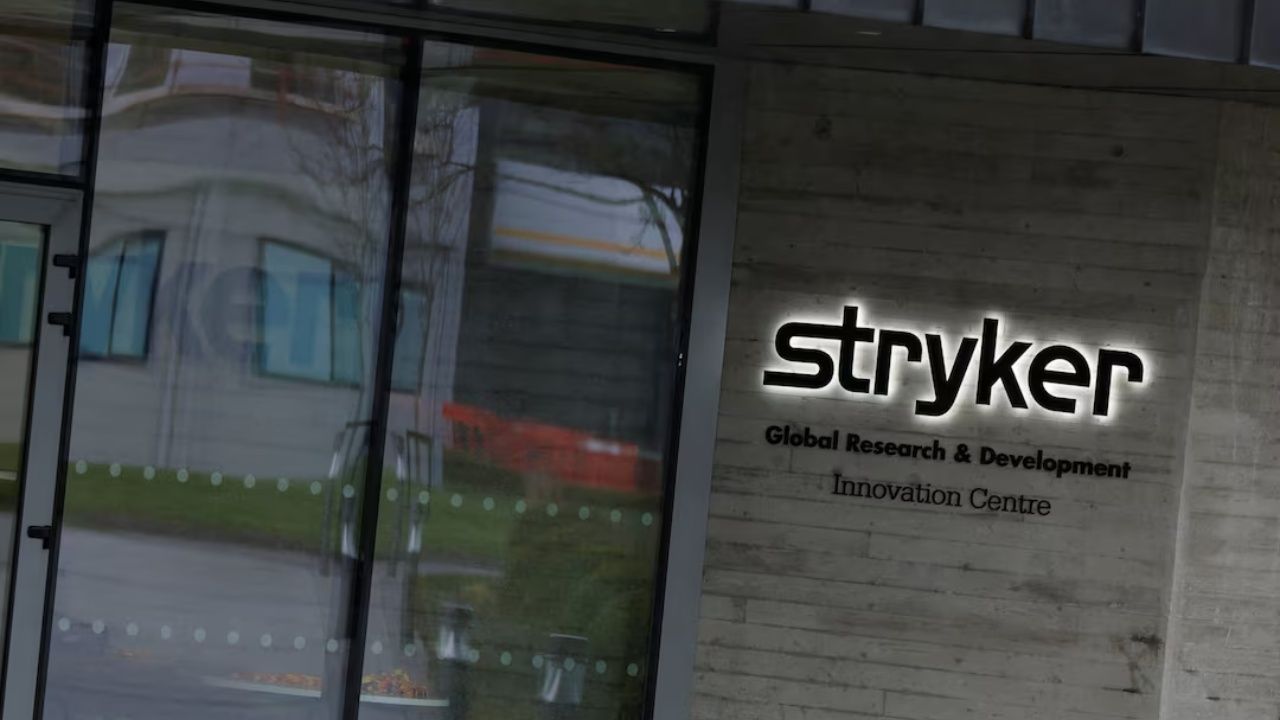
A major medical technology firm has suffered a crippling cyber assault that has brought its worldwide operations to a standstill. Stryker Corporation, a Michigan-based leader in surgical tools, implants, and hospital equipment, confirmed on March 11, 2026, that it is experiencing a global network disruption caused by a sophisticated cyberattack targeting its Microsoft environment. Employees across dozens of countries reported being locked out of laptops, smartphones, and servers, with some witnessing their devices wiped in real time as the attack unfolded.
The incident comes amid heightened conflict between the United States, Israel, and Iran, marking what many experts describe as the first significant cyber retaliation by Tehran-linked actors since the outbreak of direct military hostilities. A hacking collective known as Handala has proudly claimed responsibility, framing the strike as payback for a deadly US-Israeli airstrike on a school in the Iranian city of Minab that killed more than 170 people, mostly schoolgirls. The group warned that this operation signals “the beginning of a new chapter in cyber warfare.”
You Might Like: Gina Carano’s Roots: A Football Legend Father & Devoted Mother
The Attack’s Scale and Handala’s Bold Claims
Handala, a pro-Iranian and pro-Palestinian hacktivist outfit with documented ties to Tehran’s intelligence networks, posted detailed manifestos on its Telegram channels and defaced Stryker login pages with its logo and messages. According to the group, the assault erased data from more than 200,000 systems, servers, and mobile devices across Stryker’s offices in 79 countries. They further asserted that 50 terabytes of sensitive corporate information were extracted before the wipe began, though independent verification remains pending.
Stryker has described the breach as contained strictly to its internal Microsoft infrastructure, insisting there is no evidence of ransomware or persistent malware. In an official customer notice, the company stated its teams are working urgently to restore services while advising staff not to power on affected devices or connect them to the internet. Offices were forced to close temporarily, and thousands of workers received instructions to delete work profiles from personal phones. Cybersecurity analysts note that the attack exploited enterprise management tools, effectively turning the firm’s own device-management systems against it in a destructive “wiper” operation.
Stryker, a medical technology company that makes a variety of products, including surgical tools and medical implants, announced Wednesday that it was hit by a cyberattack.https://t.co/bZVcnBlJ4L
— ABC News (@ABC) March 11, 2026
Despite the company’s cautious optimism that the situation is under control, Stryker shares dropped more than three percent on news of the breach, reflecting investor fears over prolonged downtime in the critical medtech sector. The firm has acquired Israeli technology in the past, which Handala cited as an additional motive alongside the Minab tragedy and alleged “ongoing cyber assaults” against Iran-aligned groups.
Broader Implications for Cyber Warfare and Medical Infrastructure
This brazen strike on one of the world’s largest medical device suppliers highlights the vulnerability of healthcare supply chains during geopolitical flare-ups. Hospitals and clinics worldwide rely on Stryker products for everything from orthopedic implants to operating-room robotics; any extended outage could ripple into patient care delays, though the company has emphasized that direct medical device functions remain unaffected.
Also See: Bam Adebayo: A Deep Dive into His Parents, Family, Ethnicity, and Siblings
Experts warn that Handala’s success could embolden other state-linked actors to target Western corporations in similar retaliatory campaigns. The group has a track record of high-profile operations against Israeli and American targets, blending data theft with destructive wipes that leave little room for quick recovery. Stryker executives have yet to provide a firm timeline for full restoration, stating only that investigations continue in coordination with law enforcement and cybersecurity firms.
As tensions in the Middle East simmer, the attack serves as a stark reminder that modern conflicts now play out not only on battlefields but also in server rooms and boardrooms. For Stryker Corporation, the coming days will test its resilience and ability to safeguard the sensitive health data entrusted to it by medical professionals globally. The incident may well reshape how multinational firms prepare for hybrid threats that blend state-sponsored hacking with hacktivist agendas.