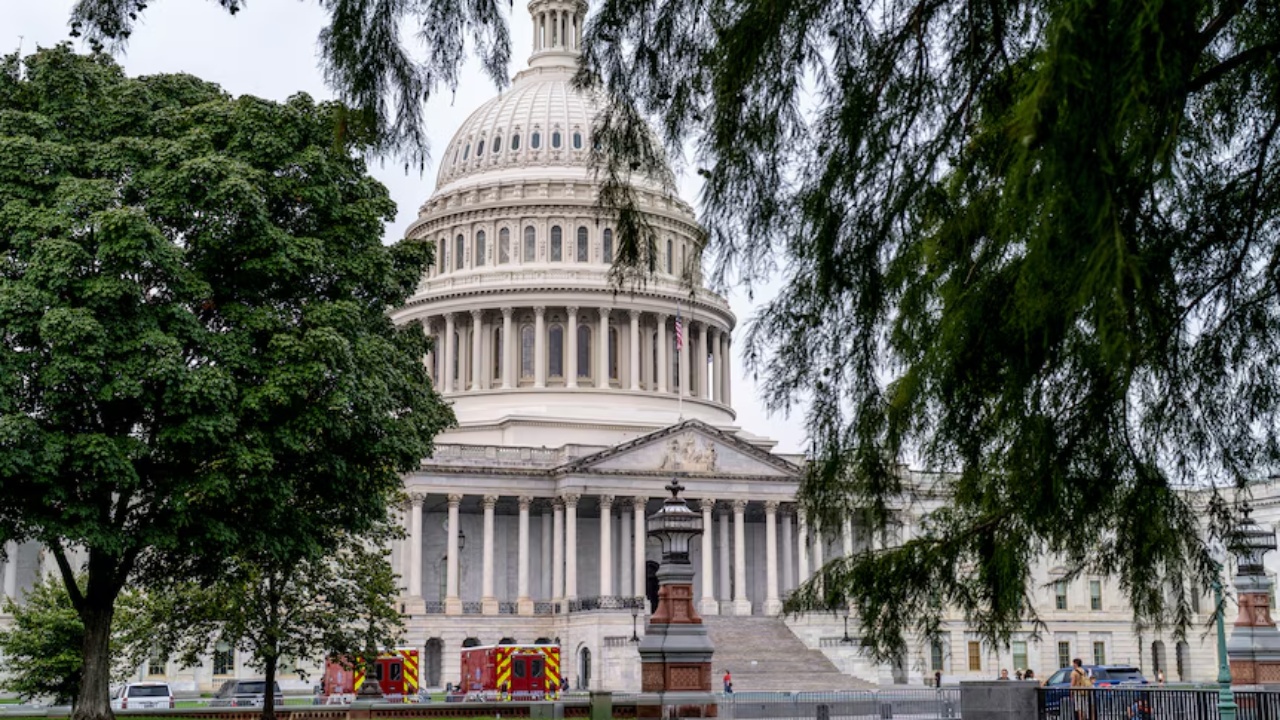
Imagine nearly a million people suddenly not getting paychecks, national parks closing their gates, and critical safety inspections stopping overnight. This isn’t a scene from a movie; it’s what happens during a government shutdown in the United States. It’s a dramatic event that stems from a fundamental breakdown in the political process, and its effects ripple out far beyond the halls of government agencies, touching the daily lives of millions of Americans. Let’s break down what a government shutdown really means, why it happens, and how it could impact everything from your travel plans to your wallet.
At its core, a government shutdown occurs when Congress fails to pass the laws, known as appropriations bills, that fund federal government operations. The fiscal year ends on September 30th, and if no new funding bill or temporary stopgap measure—called a continuing resolution (CR)—is in place by midnight, the government must cease non-essential functions. This isn’t a design flaw but rather a consequence of the Antideficiency Act, a law that prevents federal agencies from spending money without formal approval from Congress. While the concept might seem strange from the outside, these funding standoffs have become a recurring feature of American political brinksmanship.
You Might Like: FAFO Military Meaning: What Does the Term Stand for?
Why Do These Shutdowns Keep Happening?
The primary trigger for a shutdown is a political stalemate. The two major political parties often find themselves at an impasse over spending priorities or policy disagreements, using the funding deadline as leverage. For instance, a recent shutdown began after Senate proposals from both parties failed to gain enough support. The disagreement centered on healthcare, with Democrats demanding an extension of Affordable Care Act subsidies and a reversal of Medicaid cuts, while Republicans opposed these measures.
This blame game is a classic part of the process. When a shutdown occurs, you’ll immediately see leaders from each party pointing fingers at the other, each trying to convince the public that the opposition is at fault. Republicans may insist that Democrats are refusing to keep the government open over a single issue, while Democrats argue that Republicans are failing to negotiate in good faith.
POTUS: “A lot of good can come from shutdowns. We can get rid of a lot of things that we didn’t want.” pic.twitter.com/TPEAtQJBa3
— Breaking911 (@Breaking911) September 30, 2025
This political maneuvering often prolongs the shutdown, as neither side wants to be seen as caving in to the other’s demands. The underlying issue is that for a funding bill to pass, it must navigate a complex path through both the House and the Senate and finally get the president’s signature, a process that requires compromise that is increasingly hard to come by.
The Real-World Consequences of a Shutdown
A government shutdown doesn’t mean every single government function grinds to a halt. Services deemed “essential” for the protection of life and property continue to operate. However, the definition of “essential” leads to significant disruptions and widespread uncertainty.
For Federal Workers and Services: Hundreds of thousands of federal employees are furloughed, meaning they are sent home without pay. Even more are designated as “essential” and are forced to work without pay until the shutdown ends. This group includes roles like air traffic controllers, Transportation Security Administration (TSA) officers, and active-duty military personnel. While these workers have historically received back pay once the government reopens, the immediate financial strain can be severe, especially for the estimated 25% of military families with less than $500 in savings. For government contractors, the situation is even more precarious, as they typically do not receive back pay.
For the Public: The effects quickly become visible. National parks may close entirely or operate with limited services, leading to trash buildup and unsafe conditions. Passport and visa processing can slow down, causing travel headaches. Critical food safety inspections conducted by the FDA are scaled back, potentially increasing public health risks. While Social Security and Medicare checks still go out, services like benefit verification or issuing new cards may halt, leading to longer customer service wait times.
The Senate has adjourned for the night, leaving no path to avert a government shutdown. ABC News’ Linsey Davis has the latest. https://t.co/nQnBHbLcMB pic.twitter.com/dQC1XkORsM
— ABC News (@ABC) October 1, 2025
For the Economy: The impact is tangible. The 2018-2019 shutdown, the longest in history at 35 days, cost the U.S. economy an estimated $11 billion. Economic growth takes a hit each week a shutdown continues, and key economic data releases, like the monthly jobs report, can be delayed, creating uncertainty for businesses and investors. Furthermore, the shutdown itself doesn’t save money; the cost of planning for it, lost revenue from fees, and penalty interest payments often mean it ends up costing taxpayers more.
Also See: Did Pete Hegseth See Combat? Inside His Military Service
In short, a government shutdown is more than a political spectacle; it’s a costly event that disrupts public services, places immense financial hardship on dedicated public servants, and dents the broader economy. It’s a powerful reminder of the very real-world consequences when political compromise fails.