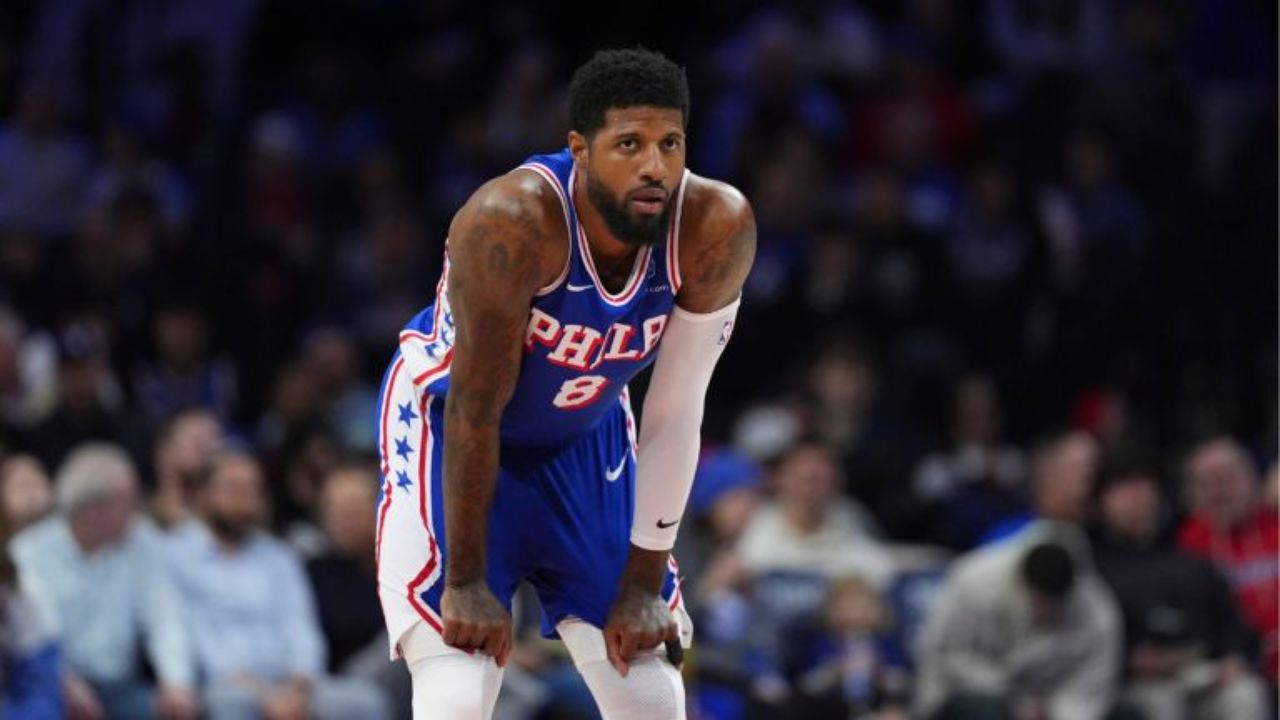
In a stunning development that has rocked the NBA world, Philadelphia 76ers star forward Paul George has been handed a 25-game suspension for violating the league’s anti-drug policy. The announcement came on January 31, 2026, sending shockwaves through the basketball community and leaving fans speculating about the details of the infraction. George, a nine-time All-Star known for his scoring prowess and defensive skills, addressed the issue in a candid statement, attributing the positive test to a mistake in his mental health treatment regimen.
While the NBA did not disclose the specific substance involved, George’s explanation has sparked discussions about the intersection of mental health care and professional sports regulations. This suspension marks the first such violation in George’s illustrious career, highlighting the strict enforcement of the league’s anti-drug program established in collaboration with the National Basketball Players Association (NBPA). As the 76ers navigate a competitive Eastern Conference season, the absence of their key player could significantly impact their playoff aspirations.
You Might Like: Demond Wilson’s $2.5 Million Legacy: The Final Chapter
The Details of the Suspension
The NBA’s official statement confirmed that Paul George was suspended without pay for breaching the terms of the NBA/NBPA Anti-Drug Program, with the penalty beginning immediately during the game against the New Orleans Pelicans. This 25-game ban aligns with the protocol for a first-time offense involving certain prohibited substances, though the league maintains confidentiality regarding the exact nature of the violation to protect player privacy. Sources indicate that such suspensions are triggered by positive tests for performance-enhancing drugs (PEDs) or other banned items, but speculation has swirled around George’s case due to his personal disclosure.
In his response shared via ESPN’s Shams Charania, George took full accountability, stating, “Over the past few years, I’ve discussed the importance of mental health, and in the course of recently seeking treatment for an issue of my own, I made the mistake of taking an improper medication.” He further expressed remorse, apologizing to the Sixers organization, his teammates, and Philadelphia fans for his “poor decision making.” This admission has led to online discussions suggesting the substance might be something like Adderall, a stimulant commonly prescribed for ADHD but classified as a banned performance enhancer in the NBA without proper therapeutic use exemption. However, neither George nor the league has confirmed this, leaving room for interpretation.
Paul George has been suspended for 25 games for violating the NBA’s anti-drug policy pic.twitter.com/cXUOXpINZX
— Bleacher Report (@BleacherReport) January 31, 2026
The financial repercussions are substantial; George’s suspension will cost him approximately $11.7 million in salary, a hefty blow for the 35-year-old veteran who signed a lucrative four-year, $212 million contract with the 76ers in the offseason. On the court, the 76ers, currently holding a 26-21 record and the sixth seed, face challenges without their star, who has averaged 22.6 points, 5.2 rebounds, and 3.5 assists per game this season.
Implications for Mental Health and NBA Policies
Paul George’s situation underscores the delicate balance athletes must maintain between personal well-being and adherence to league rules. By openly linking the violation to mental health treatment, he has reignited conversations about the stigma surrounding psychological care in sports. Advocates argue that the NBA’s anti-drug policy, while essential for fair play, may inadvertently discourage players from seeking necessary medications if they fear repercussions. George’s prior advocacy for mental health awareness adds a layer of irony, as he has previously spoken about the pressures of professional athletics.
Also See: Macaulay Culkin’s Family Tree: Parents, Siblings & Secrets
Critics and fans alike have mixed reactions; some view the suspension as a necessary enforcement of rules, while others question whether “improper medication” implies an unintentional error rather than deliberate doping. Social media buzz includes unverified claims of specific substances like PEDs or even exotic combinations, but these remain unsubstantiated rumors. The league’s refusal to specify the drug aligns with its policy to avoid sensationalism, focusing instead on rehabilitation and compliance.
Moving forward, Paul George emphasized his commitment to returning stronger, using the downtime to optimize his mind and body. For the 76ers, this ordeal tests their depth, with players like Tyrese Maxey and Joel Embiid expected to shoulder more responsibility. As the story develops, it serves as a reminder of the human elements behind the glamour of the NBA, where even superstars grapple with vulnerabilities.