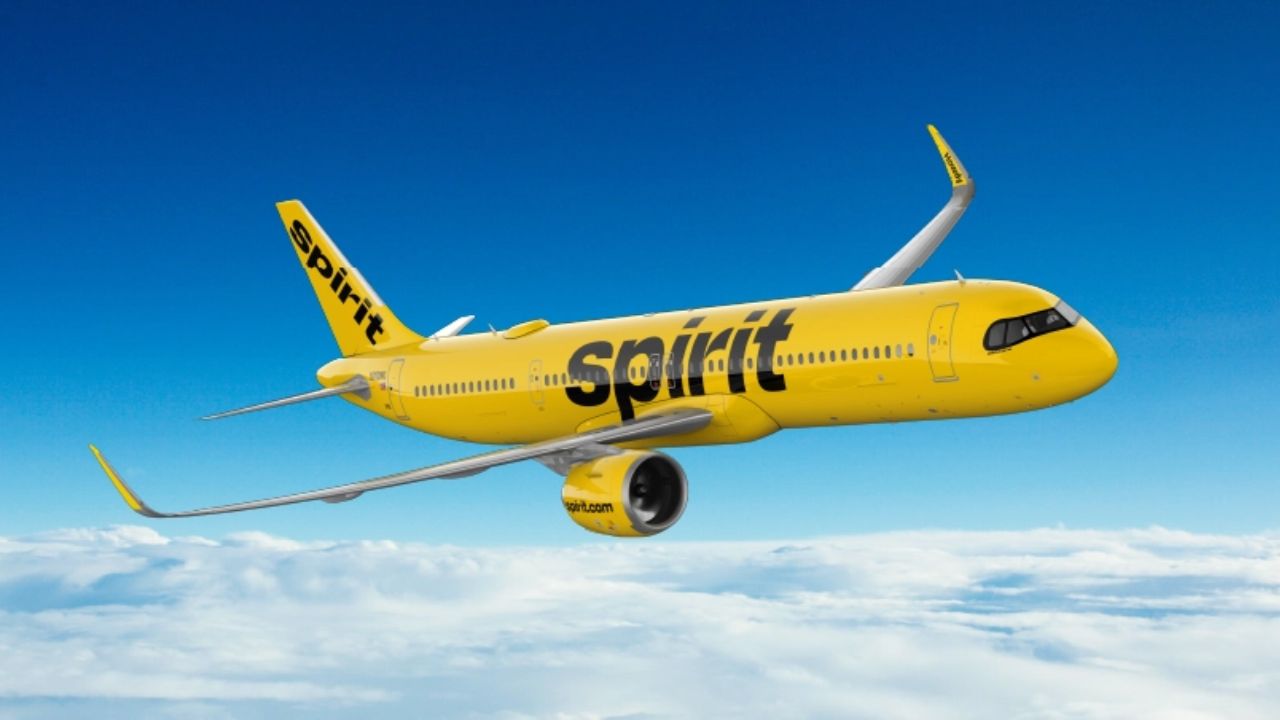
For millions of travelers, the bright yellow planes of Spirit Airlines became synonymous with getting from point A to point B for the absolute lowest price. It was a model that shocked the airline industry, turned a tidy profit for years, and made air travel accessible to budget-conscious individuals. However, the story of Spirit Airlines in 2026 is not one of continued success, but of a dramatic and heartbreaking fall. On May 2, 2026, the once-mighty discounter announced it was ceasing all operations immediately, leaving thousands of employees jobless and countless passengers stranded.
The question on everyone’s mind is simple: did Spirit Airlines go out of business? The answer is a definitive yes. This was not a temporary pause or a reduction in service; it was a complete and total shutdown. All flights are canceled, and customer service is no longer available. The airline has started an “orderly wind-down” of its global operations, bringing a definitive end to a brand that had been a fixture of American skies for over 34 years. To understand how we arrived at this stunning conclusion, we must look back at the series of events that doomed the carrier.
You Might Like: Who Is Real Boston Richey’s Girlfriend? All About Tatiana Chanell
The Rocky Road to Ruin
Spirit’s financial troubles were not a sudden surprise but a slow-rolling crisis that began years earlier. A major turning point came when a proposed $3.8 billion merger with rival low-cost carrier Frontier Airlines was blocked by the Department of Justice in early 2024. This setback set off a domino effect. Later that same year, the company was forced to file for Chapter 11 bankruptcy protection, weighed down by massive pandemic-era debts and a fleet of expensive, underutilized jets.
— Spirit Airlines (@SpiritAirlines) May 2, 2026
The airline’s attempts at a turnaround were short-lived and ultimately futile. It emerged from that first bankruptcy in March 2025, but the respite was momentary. Spiraling costs and intense operational pressures forced Spirit to cut nearly 4,000 jobs and slash over 200 underperforming routes. By August 2025, the carrier was back in bankruptcy court for a second time, publicly admitting it had “substantial doubt” about its ability to continue as a going concern. Each failed restructuring eroded what little investor confidence remained and drained the airline of the cash needed to keep its planes in the air.
The Final Blow: Failed Bailout and Fuel Costs
As Spirit’s cash reserves dwindled to nearly nothing, the airline pinned its last hopes on a Herculean, eleventh-hour rescue. In the spring of 2026, the Trump administration began negotiating a $500 million federal bailout. The unprecedented deal reportedly would have given the U.S. government a 90% stake in the airline in exchange for a capital injection. However, the discussions hit a wall when a key group of powerful bondholders, including giants like Citadel, refused to agree to the terms, balking at giving the government such overwhelming control. The White House ultimately walked away from the negotiating table, leaving Spirit without a financial lifeline.
Also See: Emma Stone: The Quiet Love Story Behind Her Husband, Daughter, and Family Life
While the failed bailout was the immediate trigger, the underlying cause of the collapse was a sudden and brutal surge in jet fuel prices, driven directly by the ongoing war in Iran. Fuel is the second-largest expense for any airline, and for a cost-slasher like Spirit, these price spikes were catastrophic. The carrier’s ultra-low-cost model depended on razor-thin margins; when fuel costs nearly doubled, there was simply no room to absorb the hit without raising fares—an action that would alienate its price-sensitive customer base.
With no funding from the government and no liquidity to buy its own fuel, the final door slammed shut. Spirit Airlines has now flown into history, a stark reminder that even the most revolutionary business models are not immune to the hard mathematics of compounding debt and geopolitical crises.