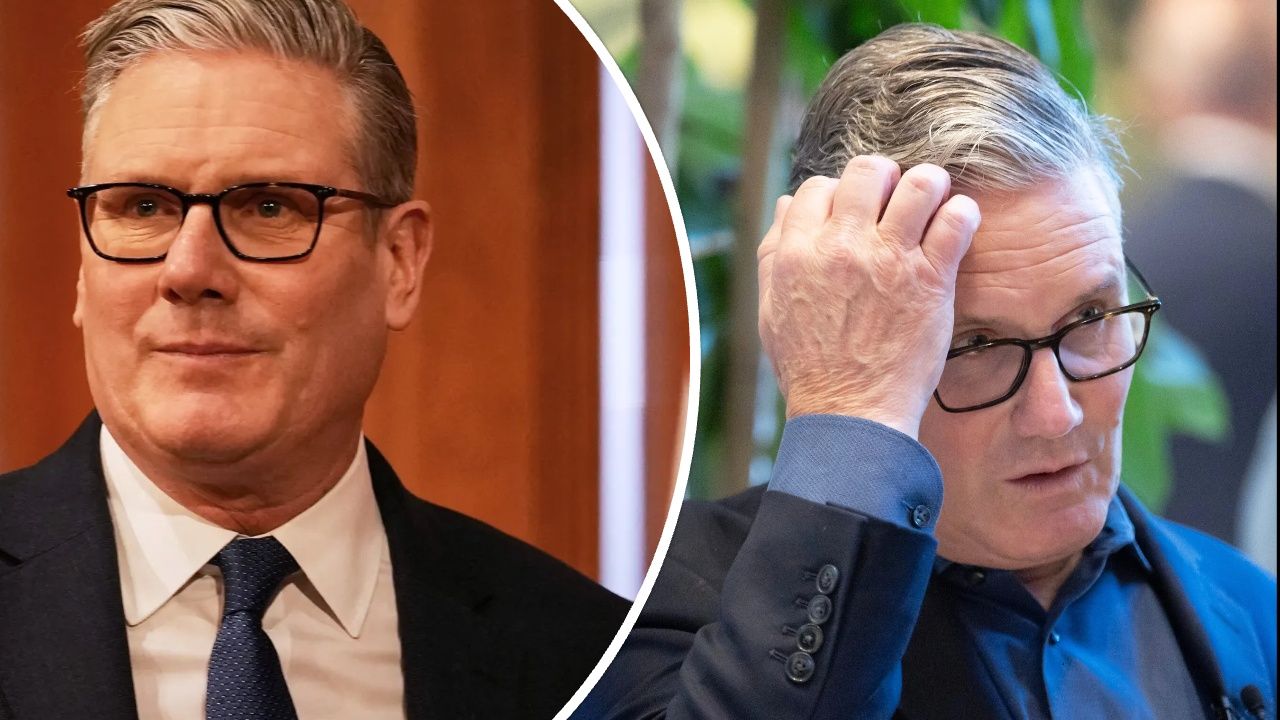
Just two years after leading the Labour Party to a landslide general election victory, Sir Keir Starmer finds himself on the brink of political oblivion. The prime minister, who entered Downing Street with a formidable mandate in 2024, is now facing an unprecedented rebellion from within his own party. With more than 100 Labour MPs openly calling for his departure and senior cabinet ministers urging him to set an exit timetable, the question is no longer whether Starmer will step down, but when.
The political earthquake that has shaken Starmer’s premiership to its core was triggered by a single by-election result. On Thursday, Andy Burnham—the former Greater Manchester mayor—won a resounding victory in the Makerfield constituency, securing a parliamentary seat that allows him to formally challenge Starmer for the Labour leadership. Burnham increased Labour’s share of the vote by 10% and defeated the Reform UK candidate by more than 9,000 votes, a result that Labour MPs have interpreted as a clear signal that the party needs new leadership to counter the growing threat from Nigel Farage’s party.
For many in the party, Burnham represents a leader who can take the fight to Reform UK in a way that Starmer, with his persistently low personal ratings, simply cannot.
You Might Like: Trey Gibson: From Virginia to the Mound – His Family, Heritage, and Identity
The Perfect Storm: Electoral Defeat and Collapsing Authority
Keir Starmer’s problems, however, did not begin with Makerfield. The prime minister has been haemorrhaging political capital for months. In May’s local elections, Labour lost nearly 1,500 council seats and suffered devastating defeats in Welsh and Scottish parliamentary votes. These losses laid bare Starmer’s deep unpopularity with the electorate. Polling from Opinium shows that 55% of British voters believe Starmer should resign as Labour leader, while his personal approval rating has plunged to a net minus 34—among the lowest ever recorded for a British prime minister.
Donald Trump says Keir Starmer is resigning as the UK’s Prime Minister. pic.twitter.com/K6SQfLKK7Y
— Pop Base (@PopBase) June 21, 2026
The erosion of Starmer’s authority has been accelerated by a series of high-profile resignations and private rebellions. Defence Secretary John Healey’s shock resignation in early June, in which he accused Starmer and Chancellor Rachel Reeves of putting national security at risk, dealt a severe blow to the prime minister’s remaining credibility. More damaging still has been the private pressure from within Starmer’s own cabinet. Foreign Secretary Yvette Cooper, Home Secretary Shabana Mahmood, and Transport Secretary Heidi Alexander have all reportedly told the prime minister that he must set out a timetable for his departure.
The fact that these senior ministers have urged him to go while remaining in their posts speaks volumes about how completely Starmer’s authority has collapsed.
The Burnham Factor and the Path Forward
Andy Burnham’s return to Parliament has transformed the political landscape. Supporters of the former mayor believe he has the backing of around 200 Labour MPs—roughly half the parliamentary party—and are now pushing for a “coronation” rather than a contested leadership race. Burnham’s team has urged Keir Starmer to reflect over the weekend and listen to his cabinet, his MPs, and his family, with many expecting the prime minister to announce his departure as early as Monday. According to the Observer, Starmer is expected to set out a plan to leave in September, allowing his successor to be formally adopted at the Labour Party conference.
Not everyone in the party is ready to hand Burnham the crown without a contest. Wes Streeting, the former health secretary, has pledged to stand for the leadership and argues that the party needs a “battle of ideas” about its future direction. However, with momentum overwhelmingly behind Burnham, Streeting’s candidacy appears increasingly unlikely to gain traction. Meanwhile, Burnham’s allies have reportedly approached Streeting to discuss a possible deal—speculation suggests he could be offered the chancellorship in return for standing aside.
Also See: Shohei Ohtani and Wife Mamiko Tanaka Celebrate Birth of Second Baby
For Starmer, the path forward has narrowed to an agonising choice. He has repeatedly insisted he will not walk away and will fight any leadership challenge. But as one senior ally told the Sun on Sunday, there is now “just a 25% chance he fights on”. Former home secretary Alan Johnson, a loyal Labour grandee, put it more bluntly: “It’s over, Keir”. The prime minister is understood to be spending the weekend at Chequers with his family, weighing his options and contemplating the political realities that have overtaken him. Business Secretary Peter Kyle, a cabinet ally, has acknowledged that Starmer is “reflecting on the political challenges that he faces in this moment”.
If Keir Starmer does step down, Britain will be on course for its seventh prime minister in just ten years—a stark reminder of the volatility that has come to define British politics. The transition is unlikely to be smooth; disagreements are already emerging within the parliamentary party about whether Burnham should take over immediately or wait until September. But for the embattled prime minister, the writing is on the wall. As one Labour source put it, the prime minister now realises that “the game is up”. The only question that remains is how gracefully he will choose to exit the stage.