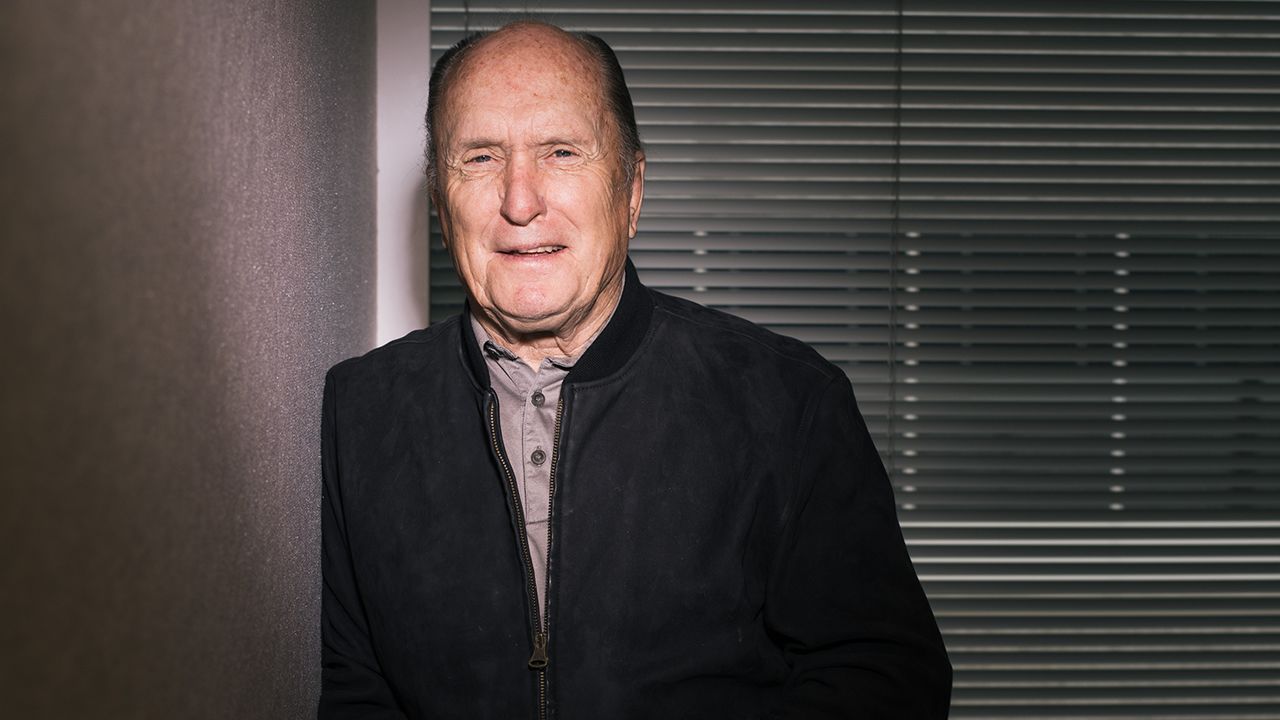
Robert Duvall, the acclaimed actor whose commanding presence lit up the silver screen for over seven decades, died on February 15, 2026, at the age of 95. The news was shared by his wife, Luciana Pedraza, in a heartfelt Facebook post the following day. She described how her “beloved husband, cherished friend, and one of the greatest actors of our time” had passed peacefully at their home on a ranch in The Plains, Virginia, surrounded by love and comfort. Tributes poured in from fans and fellow stars, celebrating a career that spanned everything from gritty Westerns to intense dramas.
As of now, no official cause of death has been released. Reports indicate Duvall had been living a relatively quiet life in recent years, though he remained active—sharing a video of himself doing bicep curls just a month before his 95th birthday. His passing marks the end of an era for one of Hollywood’s most versatile performers, leaving behind a legacy of unforgettable characters that captured the raw essence of the human spirit.
You Might Like: Are Schools, Colleges, and Offices Closed on Presidents Day 2026?
A Career Spanning Seven Decades
Born Robert Selden Duvall on January 5, 1931, in San Diego, California, the actor’s path to stardom was anything but conventional. Raised in a military family—his father was a rear admiral—he served in the U.S. Army during the Korean War era before studying drama at the Neighborhood Playhouse in New York. There, he honed his craft alongside future legends like Dustin Hoffman and Gene Hackman. His big break came in 1962 with To Kill a Mockingbird, where he played the enigmatic Boo Radley, a role that showcased his uncanny ability to embody quiet intensity.
Duvall’s rise was meteoric in the 1970s. He earned an Oscar nomination for his portrayal of Tom Hagen, the loyal consigliere in The Godfather (1972) and its sequel. But it was his unhinged Lt. Colonel Bill Kilgore in Apocalypse Now (1979) that etched him into cinematic history, delivering the iconic line about loving “the smell of napalm in the morning.” These performances highlighted his range—from stoic supporting roles to explosive leads.
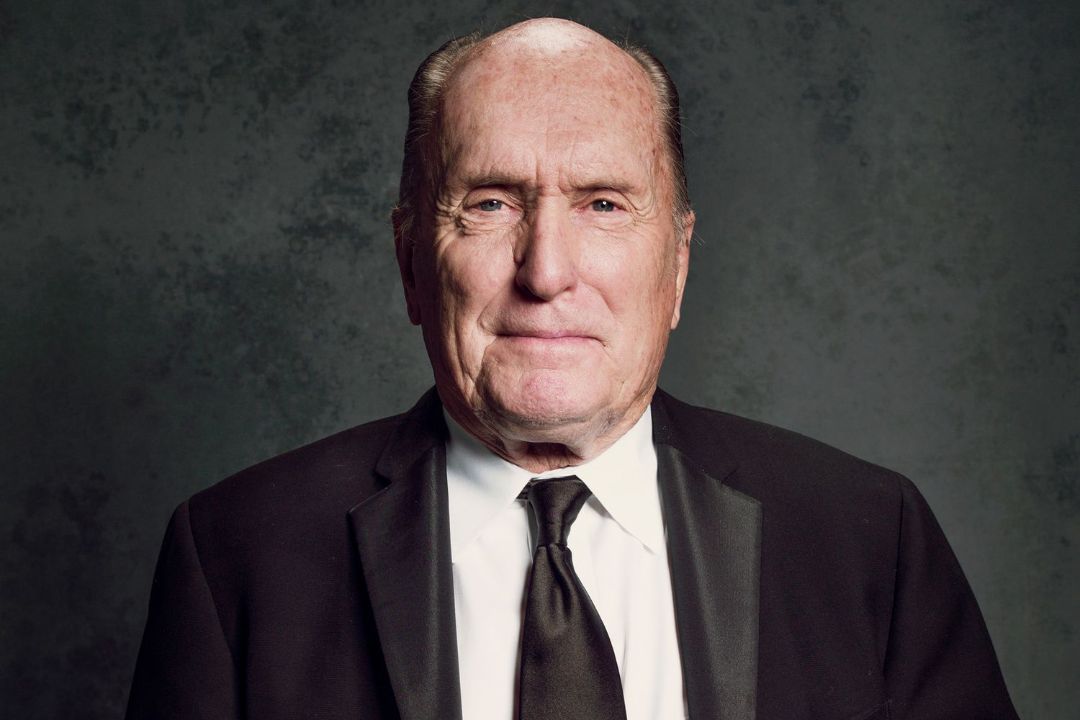
In 1983, Duvall claimed the Academy Award for Best Actor as the alcoholic country singer Mac Sledge in Tender Mercies, a film he insisted on singing in himself to maintain authenticity. He followed with standout turns in Lonesome Dove (1989) as the grizzled Gus McCrae, The Apostle (1997)—which he wrote, directed, and starred in—and The Judge (2014), earning his seventh Oscar nod at age 83. Across more than 90 films, Duvall never phoned it in; he became his characters, whether a corrupt cop in Colors or a trail boss in Open Range. His work earned him Golden Globes, Emmys, and a National Medal of Arts, cementing him as one of the finest actors of his generation.
Also See: Morikawa Strikes Gold Again: $3.6M Pebble Beach Win
A Private Life Rooted in Passion and Purpose
Beyond the spotlight, Duvall’s personal life was as rich and complex as his roles. Married four times, he found lasting love with Argentine actress and director Luciana Pedraza in 1997. The couple, who shared the same birthday 41 years apart, wed in 2005 and collaborated on projects like the tango-themed Assassination Tango (2002). They divided time between Virginia and Argentina, where Duvall supported children’s causes through the Robert Duvall Children’s Fund.
An avid tango dancer and martial arts enthusiast, Duvall embraced life fully in his later years. He was a vocal conservative, backing Republican candidates, and a fierce advocate for historic preservation in Virginia. Though he had no biological children, his extended family and friends described him as a generous soul who cherished simple joys—a great meal, deep conversations, and the craft he loved.
Duvall’s death comes as a profound loss, but his influence endures. From the dusty plains of True Grit to the battlefields of Vietnam, he brought humanity to the toughest of men. As Hollywood mourns, fans revisit his films, reminded that true greatness lies not in fame, but in the truth he poured into every performance. At 95, Robert Duvall left the stage on his terms—peacefully, powerfully, and forever etched in our collective memory.